ISRO Trains Bhutanese Officials in Advanced Satellite-Based Forest Fire Monitoring Systems
ISRO's National Remote Sensing Centre conducted a four-day capacity-building program for 11 Bhutanese officials, focusing on satellite-based forest fire detection, mapping, and management. This initiative, part of the India–Bhutan Space Cooperation Programme, enhances regional capabilities in using space technology for sustainable environmental and forest protection.

Highlights
- •ISRO conducted a four-day training program for Bhutanese officials on satellite-based forest fire monitoring.
- •The training covered advanced topics like thermal remote sensing, AI, and fire danger rating systems.
- •11 officials from key Bhutanese departments participated to strengthen space technology capabilities.
- •Delegates toured major Indian satellite facilities, including the Bhuvan Geoportal and NDEM infrastructure.
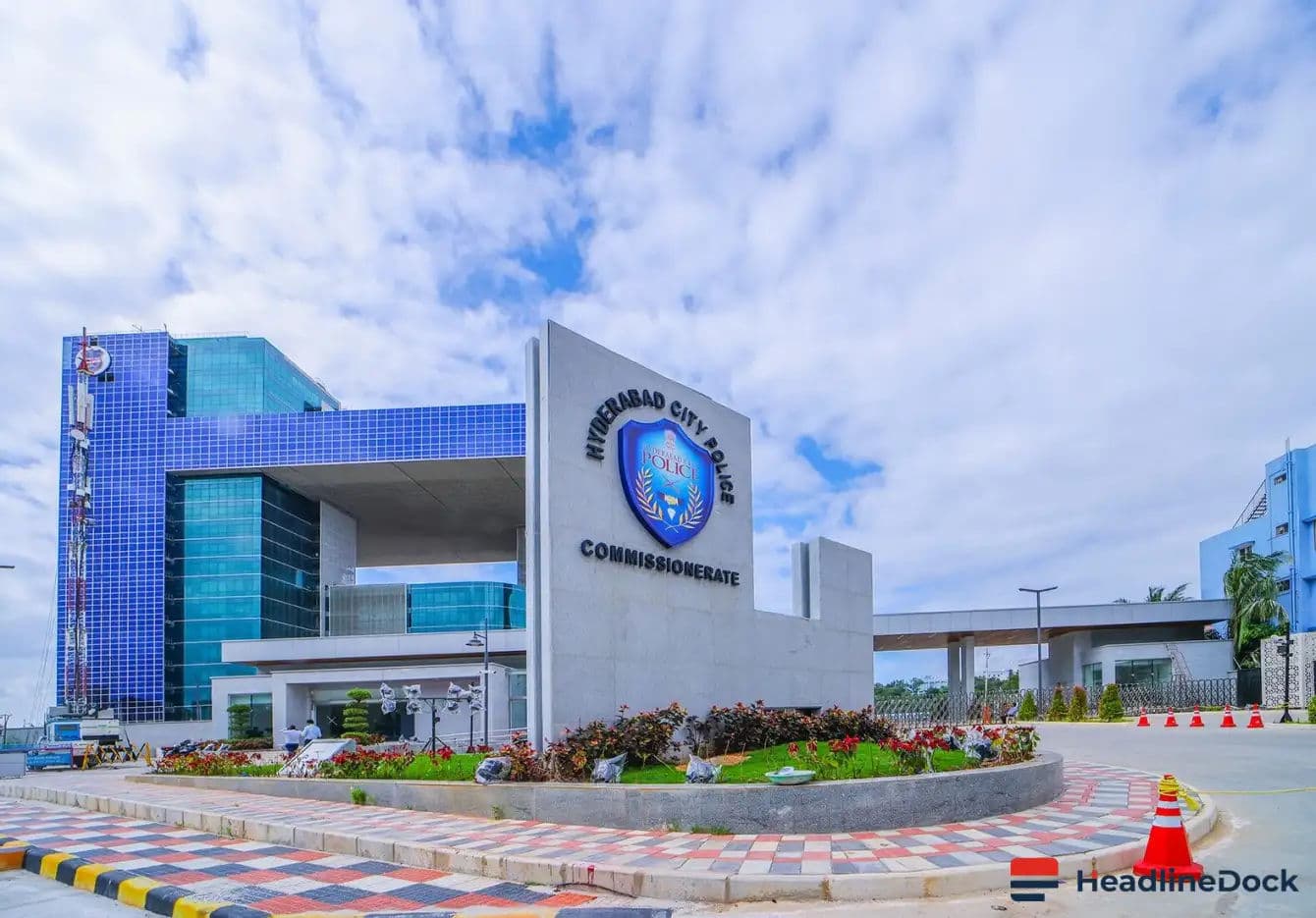
The National Remote Sensing Centre (NRSC), operating under the Indian Space Research Organisation (ISRO), recently concluded an intensive four-day capacity-building initiative focused on forest fire monitoring. This collaborative training program, held from June 9 to June 12 at the NRSC campus in Jeedimetla, Hyderabad, was specifically designed to support Bhutanese officials under the broader India–Bhutan Space Cooperation Programme.
A delegation comprising 11 representatives from Bhutan attended the specialized sessions. These professionals were drawn from key organizations, including the Department of Forests and Park Services, the College of Natural Resources, the National Land Commission Secretariat, and the GovTech Agency. The workshop was organized following a formal request from Bhutan’s GovTech Agency to enhance the nation's technical proficiency in utilizing space-based assets for managing and detecting forest fires.
Enhancing Forest Fire Monitoring Capabilities with Space Technology
During the comprehensive curriculum, experts from the NRSC’s Forestry and Ecology Group provided hands-on demonstrations and in-depth theoretical insights into modern forest fire monitoring techniques. The training covered critical areas such as satellite-based detection, mapping of burnt areas, assessment of fire severity, and the implementation of operational management systems. Participants gained exposure to essential tools, including thermal remote sensing, and were taught how to leverage MODIS and VIIRS satellite data for accurate, active fire detection.
Furthermore, the session integrated advanced methodologies, such as the application of Artificial Intelligence (AI) and machine learning to streamline fire alert generation systems. Specialists from the Indian Institute of Remote Sensing (IIRS), the Space Applications Centre (SAC), and the Forest Survey of India (FSI) contributed by delivering expert lectures on fire danger rating systems and real-time monitoring through geostationary satellites. These insights are vital for strengthening the region's overall response to environmental hazards.
As part of the program, the Bhutanese delegation visited the NRSC campus in Shadnagar. This visit allowed them to observe India's robust infrastructure for satellite data processing and reception. Key facilities viewed by the officials included the Satellite Data Reception Facility, the Bhuvan Geoportal Services, and the National Database for Emergency Management (NDEM). This exchange not only facilitated knowledge transfer but also paved the way for future bilateral cooperation in utilizing space technology for sustainable forest management and environmental security.