Is There an Optimal Height for a Soccer Player? Analyzing Performance Factors
While elite soccer features players of all sizes, positional roles often dictate height requirements. Goalkeepers and defenders tend to be taller for tactical advantages, whereas attackers often favor agility. Ultimately, technical mastery remains more significant than stature in determining a player's success.
Highlights
- •Elite soccer players exhibit a diverse range of heights, proving no single stature is required for success.
- •Goalkeepers are typically the tallest players on a team, while attackers often benefit from being shorter.
- •The average height for many national teams tends to settle between 180cm and 185cm.
- •Technical skills like agility and ball control remain far more critical to performance than physical height.
In the highly competitive world of professional sports, the concept of a soccer player's optimal height has long been a subject of interest for researchers and coaches. Just as other disciplines require specific physical attributes to excel, soccer is often viewed through the lens of the Law of Morphological Optimisation, suggesting that specific body types are better suited for peak performance. However, elite soccer stands out as a unique discipline where physical stature varies significantly among the world's best athletes.
When analyzing the optimal height for a soccer player, one quickly observes a vast spectrum of physical builds among legends of the game. Figures such as Diego Maradona (165cm) and Lionel Messi (170cm) have dominated the sport despite their shorter stature, while others like Zinedine Zidane (185cm) and Erling Braut Haaland (195cm) represent the taller end of the elite spectrum. This diversity indicates that there is no singular, restrictive physical blueprint required to reach the pinnacle of football.
Analyzing the Physical Requirements of Soccer Positions
While the sport welcomes various body types, position-specific demands do influence the average height requirements. Goalkeepers, for instance, are generally the tallest players on the pitch, often averaging around 189cm to maximize their reach when blocking shots. Defenders also tend to be tall, with an average height of roughly 183cm, which assists them in aerial challenges and forming effective defensive walls during free kicks. Conversely, attacking players—including midfielders and forwards—frequently benefit from a slightly lower center of gravity, tending to fall into the 175–180cm range to maintain high levels of agility and acceleration.
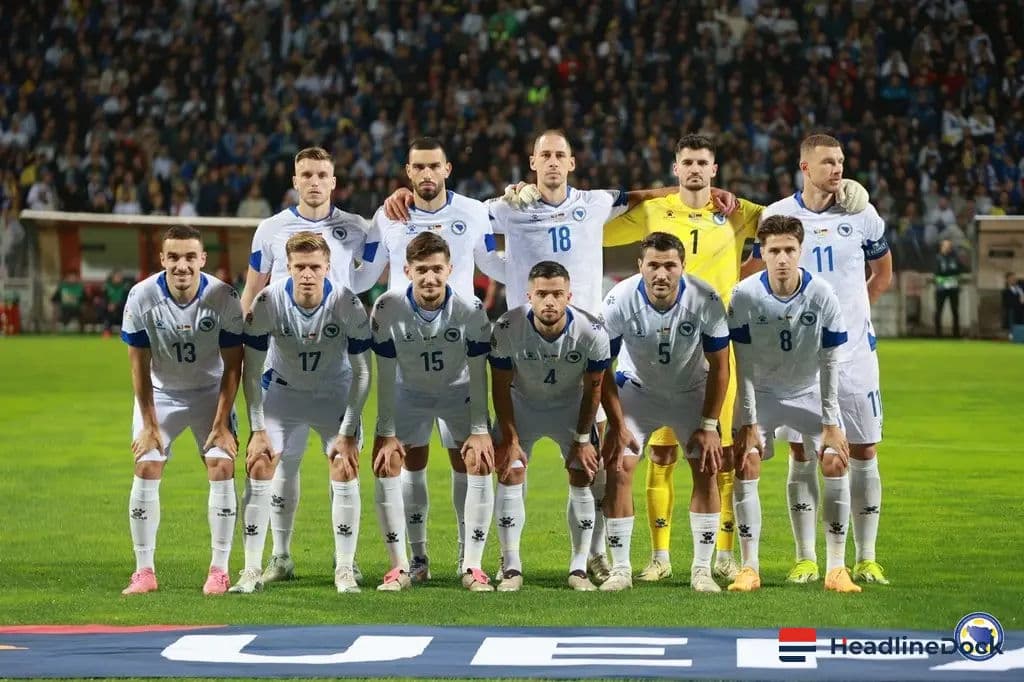
Interestingly, data from global tournaments show that while teams feature a mix of heights, the average height for many squads often converges between 180cm and 185cm. While teams like the Bosnians and Norwegians have historically boasted taller averages near 187cm, and teams like Saudi Arabia have averaged closer to 178cm, the difference in team performance does not always correlate directly with these physical measurements. Success in soccer relies far more heavily on essential technical skills—such as ball control, stamina, agility, and game intelligence—than on height alone. Ultimately, while a professional squad benefits from having a diverse range of physical sizes to handle different tactical scenarios, technical talent remains the primary factor in determining the greatest players on the field.