Idupu Kayitham Title Sparks Intense Andhra-Telangana Regional Row in Cinema
The announcement of the film Idupu Kayitham has sparked a heated social media debate over regional dialects in Telugu cinema. The controversy highlights tensions between Andhra and Telangana identities, while the film's producer defends the importance of authentic, rooted local storytelling in today's market.
Highlights
- •The title 'Idupu Kayitham' for an upcoming film has sparked a heated regional language debate on social media.
- •Critics mocked the Telangana-based title, leading to a backlash regarding linguistic chauvinism in Telugu cinema.
- •Producer Madhura Sreedhar Reddy defended the title, noting it is a common expression and highlights the need for cultural authenticity.
- •Recent successful films like Balagam prove that audiences have a strong commercial appetite for rooted Telangana stories.
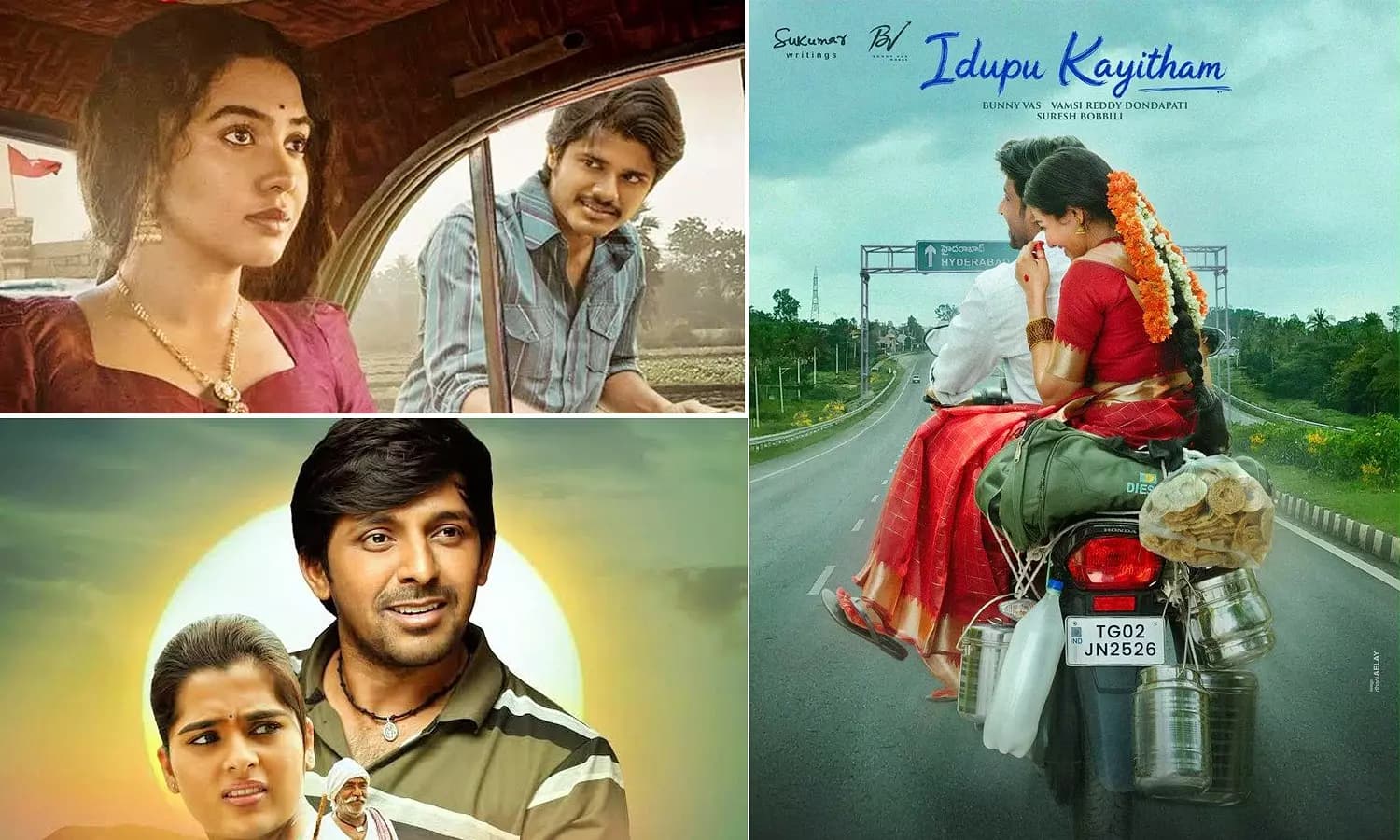
The recent announcement of the film Idupu Kayitham, featuring actors Priyadarshi and Naga Durga and helmed by director Vamshi Reddy Dondapati, has triggered an unexpected and heated Idupu Kayitham title controversy on social media. Shortly after the debut poster was released, the film’s choice of a title rooted in the Telangana dialect ignited a fierce debate regarding regional identity and language representation in cinema.
Understanding the Idupu Kayitham Title Controversy
A segment of online users reacted to the title with sarcasm, questioning whether the film would require a dubbing into the Andhra dialect and casting doubt on the legitimacy of the dialect used. This backlash prompted a sharp response from Telangana netizens, who viewed the derogatory comments as a form of linguistic chauvinism. Critics of the backlash argued that for decades, Telugu cinema has been predominantly influenced by coastal Andhra dialects, yet such criticism was never leveled against those projects. They emphasized that regional dialects are vital components of the Telugu language and deserve respect.
Producer Madhura Sreedhar Reddy expressed disappointment over the situation, noting that the incident unnecessarily spiraled into an avoidable regional debate. He clarified that the title, which translates to 'divorce papers,' is a standard expression in Telangana. He suggested that those unfamiliar with the term could have simply inquired about its meaning rather than resorting to snide remarks that stoked historical tensions between the two regions.
Reflecting on his past projects, Madhura Sreedhar Reddy recalled facing similar trolling during the production of Dorasani. Despite the negativity, he maintained his stance that authentic storytelling should remain uncompromised by the fear of online criticism. He observed that while only a small faction may be responsible for these comments, their mindset remains troubling. He insisted that if the film content itself were problematic, criticism would be valid, but attacking a title for its cultural roots is inappropriate.
The producer pointed to the commercial and critical success of recent Telangana-focused films as evidence that audiences are ready to embrace local narratives. Notable examples include Balagam, which was produced on a budget of approximately ₹3 crore and achieved a gross of nearly ₹20 crore, and Raju Weds Rambhai, which saw a box office collection of around ₹10 crore on a ₹2 crore budget. Madhura Sreedhar Reddy appealed for greater state-level support to preserve and promote Telangana's unique cultural identity, dialect, and storytelling traditions, advocating for it to be celebrated as a distinct and valuable part of the broader Indian cinematic landscape.