Hyderabad Political Groups Protest Against Special Intensive Revision of Electoral Rolls
Political parties in Hyderabad, including Congress and Left groups, staged a protest rally against the upcoming Special Intensive Revision (SIR) of electoral rolls. They expressed concerns over the transparency of the process, while the Election Commission insists it is vital for electoral purification.
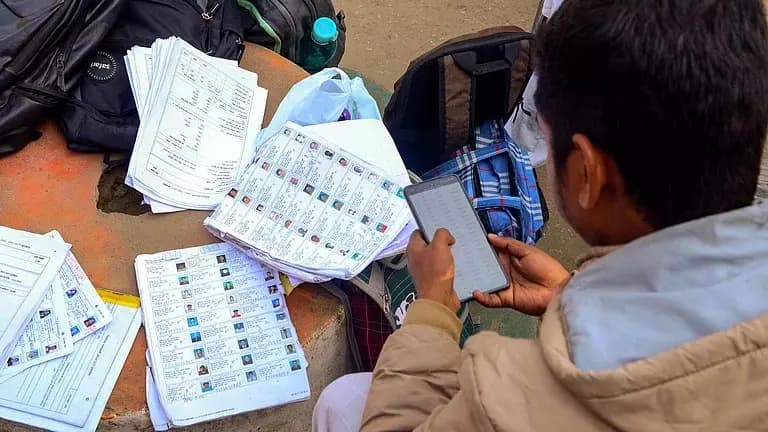
Highlights
- •Political parties in Hyderabad protested against the Special Intensive Revision (SIR) process.
- •The demonstration was led by Congress, Left parties, and TJS, marching from Tank Bund to BRK Bhavan.
- •Protesters alleged the SIR process, managed by the Election Commission and BJP, is undemocratic.
- •The house-to-house SIR enumeration is scheduled in Telangana from June 25 to July 24.
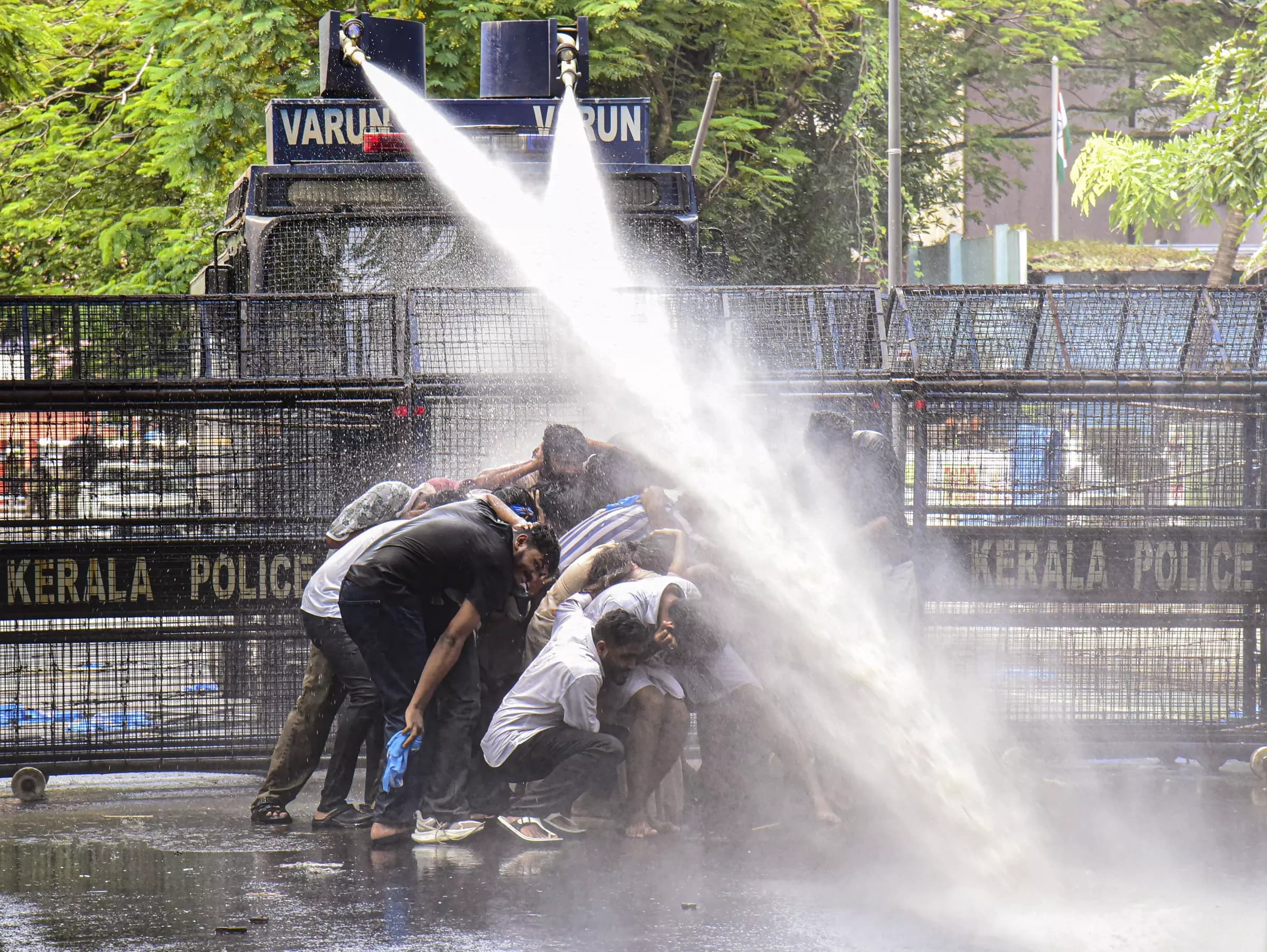
In Hyderabad, a collective of political groups, including the Congress, various Left parties, and the TJS, organized a protest rally on Tuesday to voice their strong opposition to the Special Intensive Revision (SIR) process for electoral rolls. The demonstrators gathered to challenge the methodology currently employed by the Election Commission and the BJP, labeling the initiative as undemocratic and accusing the authorities of potential voter manipulation.
The participants in the protest march carried placards and banners, signaling their dissatisfaction with the ongoing administrative procedures. The rally commenced near the BR Ambedkar statue located at Tank Bund and concluded at the BRK Bhavan. Organizers of the demonstration confirmed that they intend to formally submit a detailed representation to the Election Commission to address their grievances regarding the transparency and integrity of the process.
Understanding the SIR Process Concerns
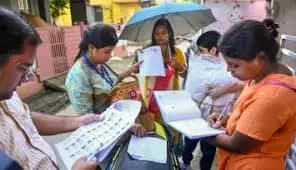
The core of the dispute revolves around the Special Intensive Revision (SIR), a house-to-house enumeration exercise scheduled to take place across Telangana from June 25 to July 24. While local political entities have raised concerns about the potential for irregularities, election officials have maintained their position on the necessity of this update. According to the Election Commission, the primary objective behind the SIR exercise is the thorough purification of existing electoral rolls.
Officials stated that the revision is designed to ensure that the electoral database is accurate, up-to-date, and free of errors. By conducting a door-to-door verification, the commission aims to facilitate the inclusion of all eligible citizens in the voter lists, ensuring that no qualified individual is excluded from the democratic process. Despite these official clarifications, the participating political parties remain skeptical, arguing that the implementation of the SIR process requires greater oversight to prevent the issues they have raised.
The tension highlights the critical nature of electoral roll management in the region, as political stakeholders closely monitor administrative actions that could influence future electoral outcomes. As the deadline for the commencement of the SIR process approaches, the focus remains on how the electoral authorities will address the demands for transparency presented by the opposition groups.