Hugh Jackman Plays Robin Hood as a Villain in New Cinematic Take
A new film, The Death of Robin Hood starring Hugh Jackman, reimagines the legendary folk hero as a villain. This article explores the historical origins of the outlaw and discusses why reinterpreting this symbol of resistance remains a controversial topic in today's society.

Highlights
- •The upcoming film The Death of Robin Hood stars Hugh Jackman as a murderous bandit.
- •Medieval chronicles like the Scotichronicon originally depicted the character as an outlawed, violent figure.
- •Historical traditions also highlight the character as a communal hero who challenged corrupt authorities.
- •The film’s tone-deaf reception highlights current public sensitivities toward wealth inequality and authority.
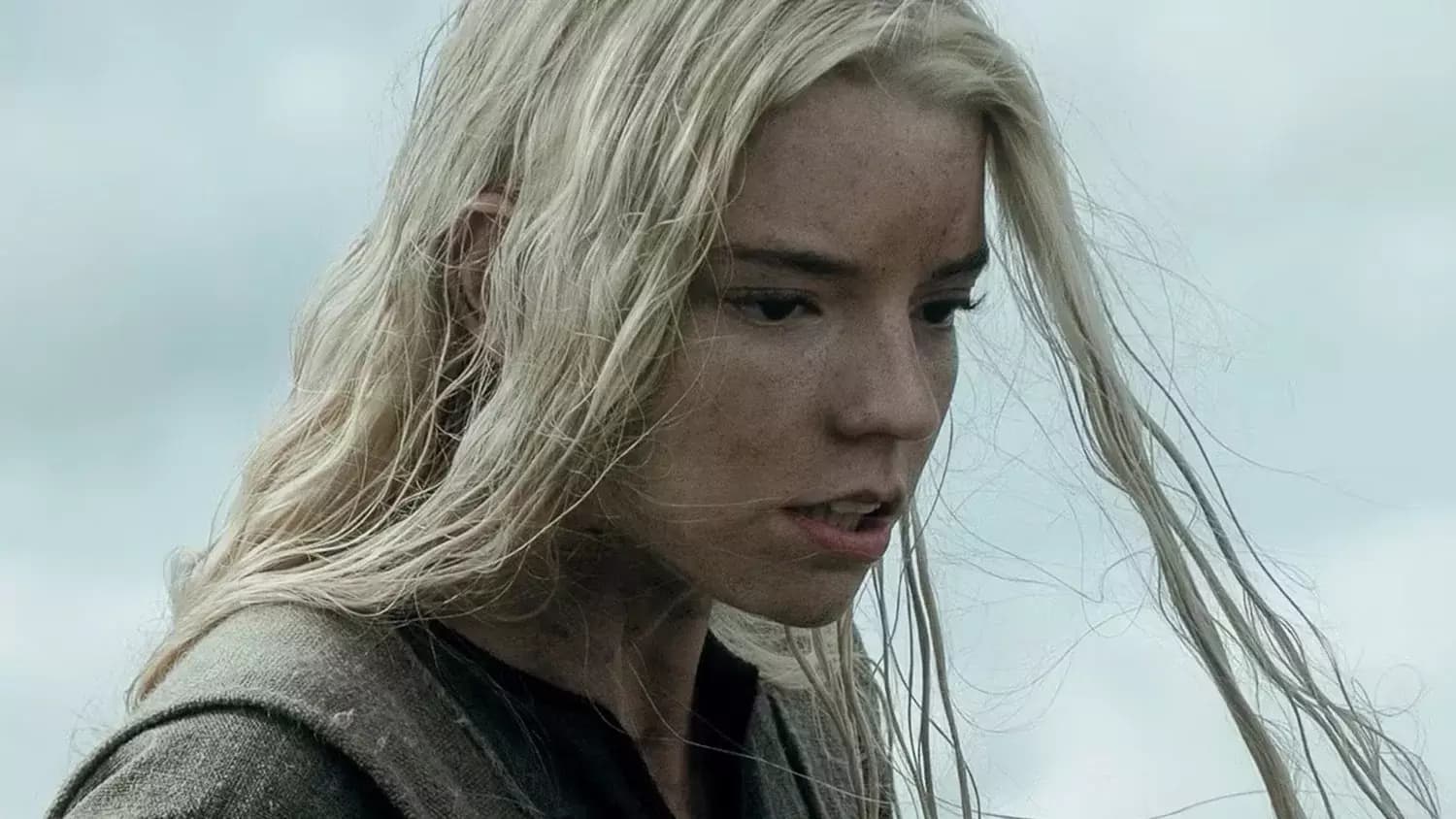
The iconic folklore hero, Robin Hood, is being reimagined as a villain in the upcoming film, The Death of Robin Hood, starring Hugh Jackman. Set in the 13th-century north of England, this cinematic take portrays the legendary archer as a murderous bandit, sparking a debate on whether it is appropriate to deconstruct such a traditional symbol of resistance during a period marked by global economic strain and rising authoritarianism.
Historically, attempts to vilify the character are nothing new. In 1536, an advisor to King Henry VIII argued that plays about the outlaw should be prohibited because they encouraged defiance against royal officers. Similarly, the 15th-century chronicle Scotichronicon, compiled by the Scottish abbot Walter Bower, described Robin Hood as a violent robber who capitalized on the chaos following the Second Barons’ War. This medieval text serves as the primary inspiration for the new film's darker narrative.
Understanding the Historical Legend
Despite these grim historical portrayals, the prevailing tradition of Robin Hood paints him as a defender of the downtrodden. From the mid-1420s, community gatherings and performances, often involving costumed roleplay, positioned the character as a local champion. In these medieval settings, he was not merely an outlaw; he was an agent of community welfare, helping to organize projects and address injustices. The literary figures he opposed, such as the Sheriff of Nottingham or greedy clerics, were typically individuals who abused their positions of authority.
The common understanding that he robbed the rich to give to the poor reflects a simplified interpretation of his core mission: standing up against corrupt power structures. Far from being a bloodthirsty criminal, the traditional Robin Hood utilized his reputation to hold the powerful accountable. When early critics complained about his popularity, it was often because they feared his influence on the public conscience.
While some older tales contain violent episodes, experts argue these moments were meant to highlight the defeat of selfish adversaries, much like a modern superhero confronting a villain. The character’s enduring appeal lies in his communal mindset and his role as a corrective force in society. By exploring this darker origin, the new project by director Michael Sarnoski challenges contemporary audiences to consider whether the myth of Robin Hood is being subverted at a moment when the archetype is most needed.
As the film hits theaters, the contrast between the historic "wicked bandit" and the folk "superhero" remains a point of intense cultural interest. Whether this darker reimagining will resonate or feel tone-deaf in our current climate remains to be seen, but it ensures that the conversation regarding this legendary figure continues.