How to Make Climate Action More Inclusive for 1.3 Billion Disabled People
Global climate policy remains largely inaccessible to 1.3 billion disabled people. To address the disproportionate risks they face during environmental crises, experts advocate for official representation, evidence-based research, and improved accessibility at all international climate summits and negotiations.

Highlights
- •1.3 billion people with disabilities lack formal representation in global climate policy talks.
- •Disabled individuals are two to four times more likely to die during climate-related emergencies.
- •The UNFCCC officially recognized the Disability Caucus in February 2026, boosting advocacy efforts.
- •Key steps for progress include utilizing specialized research and mandating universal accessibility at global summits.
Global environmental discussions often overlook a massive segment of the world population. Currently, approximately 1.3 billion individuals living with disabilities lack formal representation within the United Nations climate change policy framework. Improving climate action for disabled people is not just a matter of equity; it is a critical necessity given their heightened vulnerability during environmental emergencies.
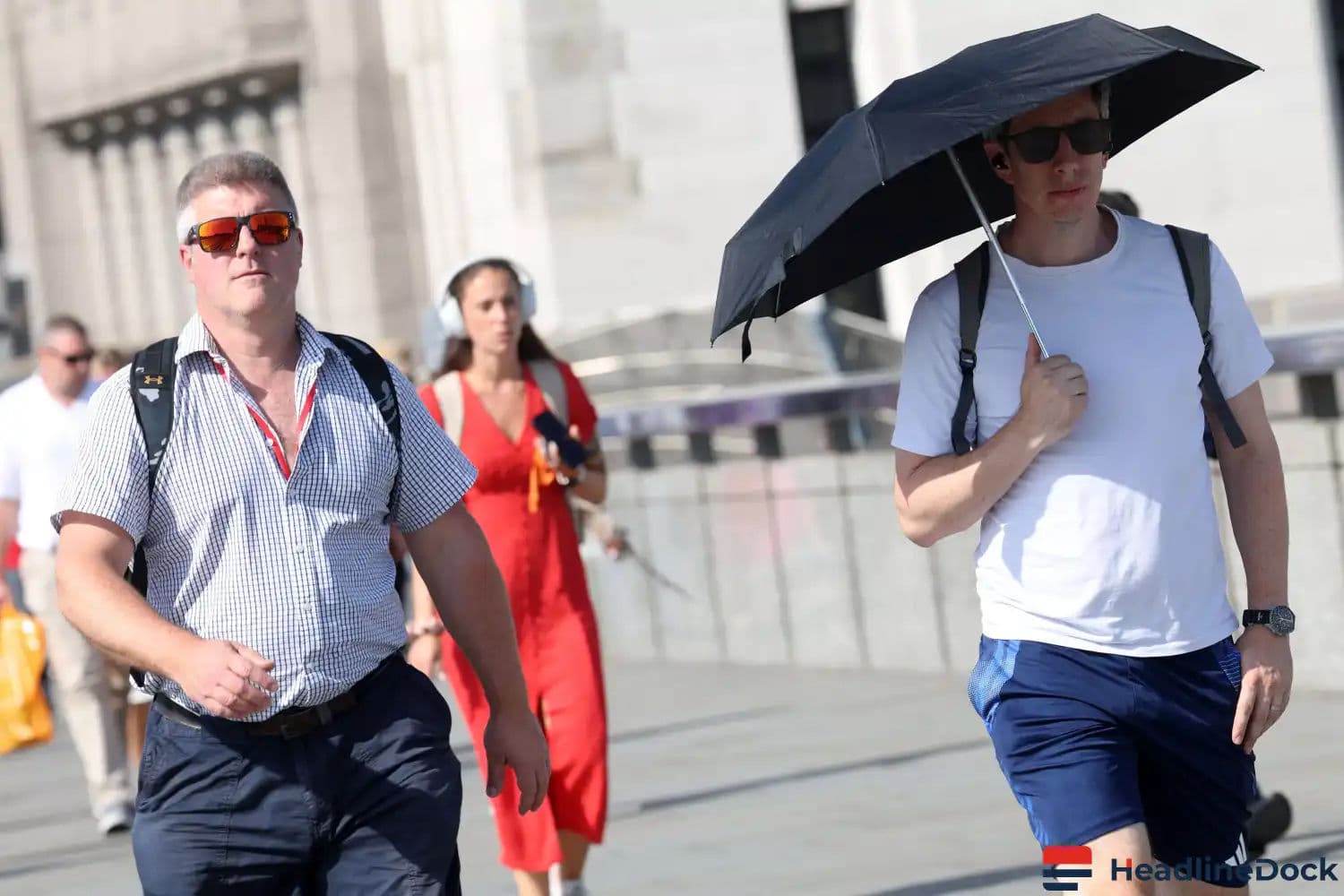
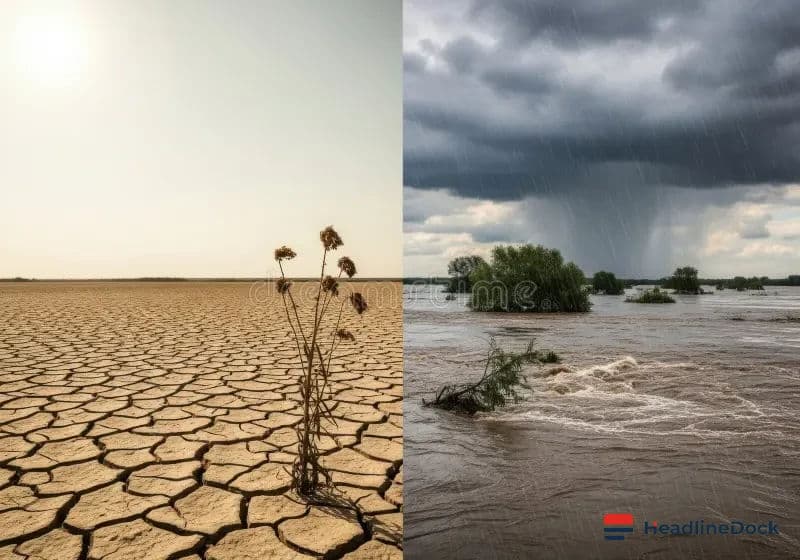
Data indicates that those with disabilities face a two to four-fold higher risk of injury or death during heatwaves, flooding, and severe storms. Individuals suffering from psycho-social conditions, including bipolar disorder or schizophrenia, are notably susceptible. For instance, during a 2018 heatwave in Montreal, Canada, people with schizophrenia represented over 25% of heat-related fatalities, despite being a tiny fraction of the general population. This disproportionate impact is often exacerbated by medications that reduce heat tolerance, leading to risks of severe dehydration or heatstroke.
Enhancing Inclusive Climate Action Through Policy
The push for inclusive climate action for disabled people has gained significant momentum recently. In February 2026, the United Nations Framework Convention on Climate Change (UNFCCC) officially recognized the Disability Caucus. Comprising 120 organizations, this group coordinates advocacy to ensure the needs of disabled individuals are addressed in global negotiations. While this is a positive development, experts argue that full constituency status is required to allow for equitable engagement in the decision-making process.
To move toward a truly inclusive framework, international bodies must prioritize three essential actions. First, there is an urgent need to incorporate high-quality, specialized research. Tools like the Mental Health Vulnerability Index, developed at the UCL Warning Research Centre, provide critical insights into how climate change impacts mental health, specifically for the most vulnerable. Such research, led by disabled experts, should form the cornerstone of adaptation strategies.
Second, as mentioned, granting the Disability Caucus official status as a constituency within the UNFCCC is imperative. This formal recognition would ensure that the community has a structural seat at the table, rather than operating only as an informal observer. It would facilitate a more democratic participation process, allowing disabled delegates to influence policies that directly affect their safety and quality of life.
Finally, international summits must eliminate physical and systemic barriers. Events like the 2021 COP26 in Glasgow highlighted glaring failures in accessibility, such as venues lacking wheelchair access. Future climate negotiations must mandate universal accessibility standards, including comprehensive sign language interpretation, braille materials, and the provision of low-sensory environments. By implementing these measures, the global community can ensure that inclusive climate action for disabled people becomes a foundational reality rather than an aspirational goal.