Gold and Silver Prices Fall Post-US-Iran Conflict: What Does the Future Hold?
Post-US-Iran conflict, gold and silver prices have taken a sharp decline, making investors wonder about the future. Despite rising valuations in 2025 and early 2026, central bank sales and rising interest rates are contributing to downward pressure on these metals.
Highlights
- •Gold and Silver Decline: Sharp drops since US-Iran conflict; gold by over 10%, silver by more than 22% from peaks in recent years
- •Interest Rates Impact: High rates can push investors away from gold, creating downward pressure
- •Industrial Demand Factors: Approximately 60% of silver demand comes from electronics and solar industries; slowdowns can reduce demand
- •Central Banks Sales: Russia and Turkey offloading significant amounts of gold, lowering market prices
Fluctuations in gold and silver prices have been a constant feature lately. Despite expectations, these precious metals have experienced steady declines following the US-Iran conflict. This unexpected downturn has left both experts and investors puzzled as they ponder when prices will rebound.
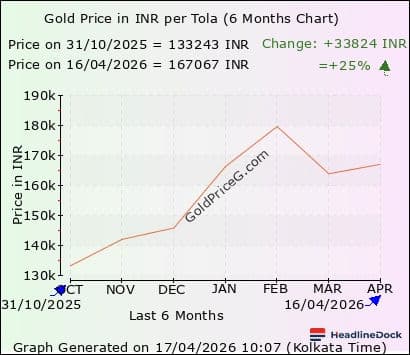
The sharp decline since the conflict began is evident; gold rates have dropped over 10%, while silver has plummeted by more than 22%. Compared to its peak, gold has fallen roughly 16%, settling around ₹345,000 per tola. Silver's value has experienced an even steeper decline, reaching a low of ₹74 per ounce.
Apprehension Over High Interest Rates
When interest rates are high, investors often redirect capital away from gold and silver towards more lucrative investment avenues such as bonds. This creates significant downward pressure on bullion prices. Recently, the U.S. Federal Reserve has hinted at raising interest rates further, potentially leading to continued volatility in precious metals markets.
The impact of industrial demand on silver is another key factor affecting its value. Approximately 60% of global silver demand originates from industries such as electronics, solar panels, automobiles, and semiconductors. Economic slowdowns can lead to reduced demand for these applications, contributing to the decline in silver prices.
During 2025, both metals saw significant gains; gold experienced a 75% increase while silver rose by a remarkable 165%. These upward trends continued into early 2026, with gold reaching an unprecedented $5,500 per ounce and silver hitting a record high of $121 per ounce in January. However, these highs are now well behind us.
Central banks have also played a role by selling portions of their gold reserves to stabilize currencies. Russia and Turkey, among others, have offloaded significant amounts of gold, impacting global market dynamics and contributing to lower prices for the time being.
Regional Silver Prices Today
The current rates according to India Bullion and Jewellers Association (IBJA) are as follows:
- 995-purity gold: ₹146,898 per 10 grams
- 916-purity gold: ₹135,100 per 10 grams
- 750-purity gold: ₹110,617 per 10 grams (unchanged)
- 585-purity gold: ₹86,281 per tola (unchanged)