Fishing Operations Stumble: Only 40% of Vizag Fleet Returns After Ban Period
Fishermen in Visakhapatnam are slowly returning to sea following the annual 61-day fishing ban. Operations are currently at only 40% capacity due to soaring diesel prices and delays in government welfare payments, though authorities remain hopeful for a recovery as funding is processed.
Highlights
- •Only 40% of the fleet resumed fishing activities at Visakhapatnam Harbour post-ban.
- •Rising fuel costs and maintenance expenses are causing significant delays in boat departures.
- •Over 2,000 fishermen are still awaiting disbursement under the Matsyakara Sevalo scheme.
- •Authorities distributed 410 Turtle Excluder Devices to promote sustainable fishing practices.
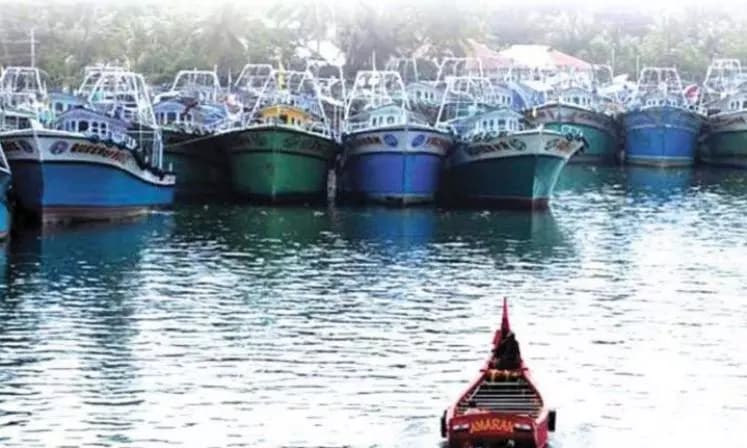
Following the conclusion of the mandatory annual fishing ban along the coast of Andhra Pradesh, marine operations have resumed at a notably slow pace. Although the seasonal restriction officially ended on Sunday midnight, only a fraction of the fleet has returned to work from the Visakhapatnam Fishing Harbour.
Challenges Facing Local Fishing Operations
Current estimates indicate that roughly 40 percent of the vessels have departed for sea, a significant decrease from the usual 70 percent observed at the start of previous seasons. Industry stakeholders are identifying multiple factors contributing to this trend, most notably the surge in operational costs and complications regarding government financial support. The fishing ban, which lasts 61 days starting from April 15, is designed to protect marine ecosystems and allow for breeding; however, the return phase this year has been hampered by economic pressures.
According to Vasupalli Janakiram, president of the Andhra Pradesh Mechanised Fishing Boat Operators Association, the harbour currently manages approximately 677 mechanised boats and nearly 2,000 motorised vessels. Many operators are struggling with the high costs associated with preparing boats for sea, including essential maintenance, ice supplies, and fuel. Due to these mounting expenses, many fishermen have opted to delay their departure, with some postponing voyages for several weeks.
Fuel pricing remains a primary concern for the fleet. Diesel prices have climbed to nearly ₹105 per litre, up from the pre-ban range of ₹95–₹97. Fishermen are advocating for increased governmental support, noting that they previously received a subsidy of approximately ₹9 per litre when fuel costs were significantly lower.
Welfare Assistance and Sustainability Efforts
Financial distress is being further compounded by delays in the disbursement of the Matsyakara Sevalo welfare scheme. While over 11,000 beneficiaries have received their payments, nearly 2,373 eligible fishermen remain in a pending status. Officials from the Fisheries Department have assured the community that these payments are actively being processed and expected to be released shortly.
Despite these immediate hurdles, local authorities are placing a strong emphasis on sustainable practices. Under the Pradhan Mantri Matsya Sampada Yojana, 410 Turtle Excluder Devices (TEDs) have been provided to mechanised boat owners at no cost. Valued at ₹27,000 each, these devices are essential for allowing protected turtle species to escape fishing nets. P. Lakshman Rao, Joint Director of Fisheries, has urged the fishing community to utilize this technology to safeguard marine biodiversity and ensure long-term environmental protection for the region.