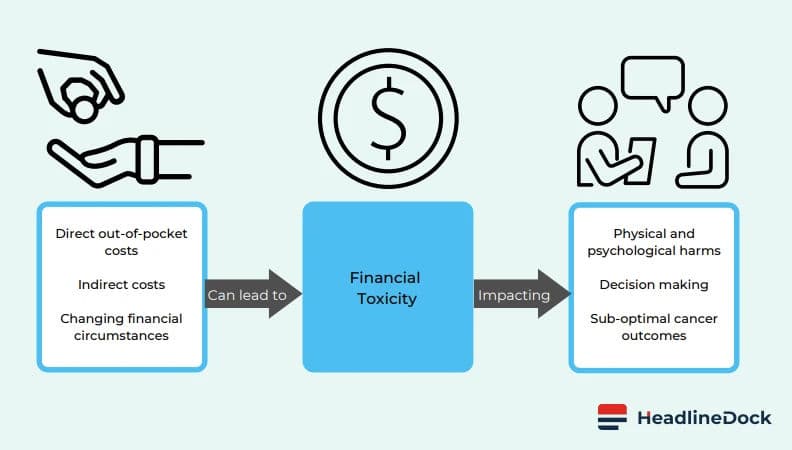
Financial Toxicity: The Growing Burden of Cancer Treatment in Australia
Cancer patients in Australia are facing growing financial toxicity, with many turning to crowdfunding to cover out-of-pocket costs for essential treatments. Experts call for urgent policy reforms to address these systemic inequities and ensure equitable access to life-saving healthcare services for all.
Highlights
- •Financial toxicity remains a major barrier in the Australian healthcare system for cancer patients.
- •High out-of-pocket costs for immunotherapy and secondary conditions like lymphoedema drive many to crowdfunding.
- •Patients living in regional or rural areas face significant additional burdens due to travel and accommodation costs.
- •Advocates are calling for better PBS coverage to prevent patients from being forced into financial hardship during treatment.
The rising prevalence of financial toxicity in Australia is creating significant barriers for patients navigating the healthcare system. While the nation is recognized for its universal coverage, many individuals diagnosed with cancer report being forced to seek external support, including crowdfunding, to afford essential treatments and basic living expenses during their recovery.
Research involving survivors and health professionals indicates that the burden extends beyond initial medical interventions. Patients often grapple with the hidden costs of long-term care, such as managing lymphoedema—a common, chronic side effect of cancer surgery. Despite the physical and psychological toll, Medicare provides only limited subsidies for necessary physiotherapy, leaving patients to cover substantial out-of-pocket expenses for compression garments and specialized massage therapy.
Addressing the Growing Financial Burden of Cancer Treatment
The challenges are particularly acute for those requiring advanced therapies, such as immunotherapy. For many, drugs like Pembrolizumab, also known as Keytruda, have proven to be life-extending. However, when these treatments are not fully covered by the Pharmaceutical Benefits Scheme (PBS), the cost can reach tens of thousands of dollars. This financial gap disproportionately affects women in casual or part-time employment, who often lack the savings or assets to sustain such costs.
The issue of financial toxicity is further exacerbated by geography. Residents living outside major urban centers frequently face the additional weight of travel and accommodation expenses just to access life-saving care. Studies have shown that one in five regional patients may skip essential medical appointments due to the high costs associated with commuting to hospitals, highlighting a critical inequity in the accessibility of the Australian healthcare landscape.
Moreover, the withdrawal of critical medications from the PBS due to commercial decisions by pharmaceutical companies, such as AstraZeneca, further complicates patient stability. While some programs exist for "compassionate access," the reliance on such mechanisms underscores a growing systemic failure to protect vulnerable patients from the devastating economic impact of their diagnosis.
Experts and advocates emphasize that the current framework requires urgent reform. Ensuring that emerging treatments are included in public funding and addressing the prohibitive costs of radiotherapy and secondary care are essential steps toward restoring the promise of equitable health outcomes. Without systemic change, the burden of funding essential care will continue to fall on the shoulders of the patients, their families, and the wider community.