Father's Name No Longer Required for Child Passports
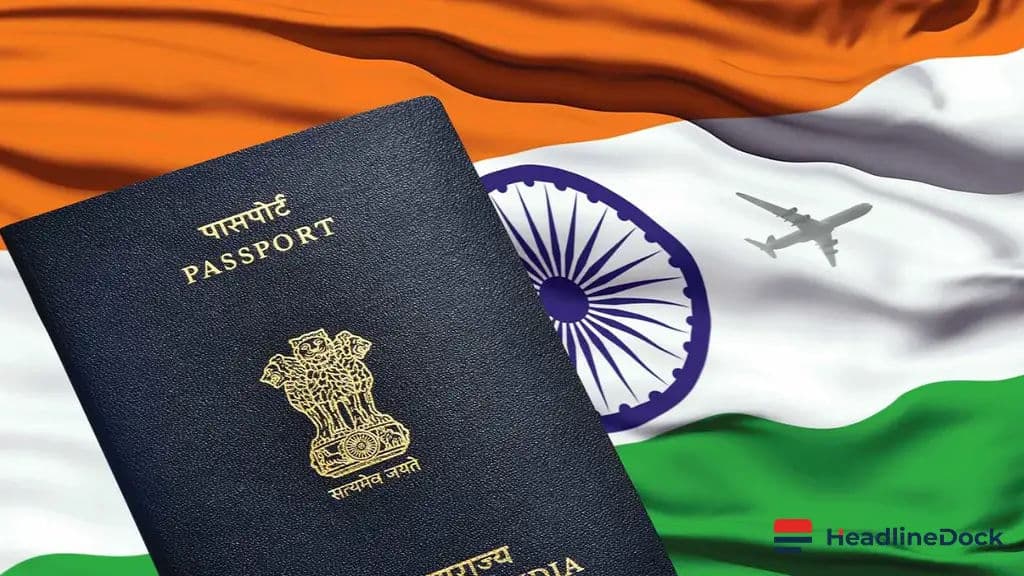
The Delhi High Court has ruled that children can obtain Indian passports without their father's name if the minor is under the guardianship of either parent. This significant change simplifies passport applications and recognizes modern family dynamics, although it requires reconsideration upon reaching adulthood.
Highlights
- •Children Can Obtain Passports Without Father's Name
- •No Need for Guardianship Proof if Parents Are Divorced
- •Father's Rights Abandoned in Legal Separations Must Still Be Honored Later
- •New Rule Simplifies Passport Application Process, Especially Post-Divorce Situations
Indian passport rules have undergone a significant change concerning minors. According to the Delhi High Court, in a landmark ruling, a child can now obtain their passport with just their mother's name if they are under her guardianship. This decision has far-reaching implications for families dealing with separation or divorce.
The court's verdict, delivered by Justice Purushendra Kumar Kaur, stipulates that the father's name is not required in a child's surname when applying for a passport. However, the minor must present evidence proving their guardianship either by the mother or the father. In cases where parents have mutually consented to divorce and one parent exercises full custody, this can simplify the passport application process.
Father's Rights Abandoned
The specific case involved a 5-year-old girl whose parents had divorced in 2021. The mother was granted sole custody of their daughter and registered her surname with both maternal lineage and grandparents, indicating no formal connection to the father. When she applied for her child's passport without including the father's name, it was initially denied.
Upon investigation, the High Court found that the girl's father had relinquished his rights and did not show any interest in either meeting or claiming his daughter during their legal separation. The bench concluded that such situations should not force names upon individuals who do not have a significant connection to them.
This new approach aligns with modern family dynamics, recognizing the growing number of cases where parents manage without ongoing paternal involvement after divorce.
However, the court clarified that if the child later seeks rights from her father as an adult, the passport issued solely under her mother's name would need to be canceled, and a new one must be applied for with both parents' names. This ensures continuity in legal documentation throughout adulthood.