Fashion as Expression: Met Gala and Beyond
The annual Met Gala has become a point of contention between opulent fashion displays and minimalist artistic expression, with both approaches reflecting different values in contemporary society.
Highlights
- •The Met Gala showcases the intersection of art, fashion, and commerce
- •Marina Abramović's performance contrasts with the extravagance at the Met Gala
- •Fashion may be considered an art form but raises questions about genuine expression
- •Extravagant dressing signifies a society negotiating visibility as value
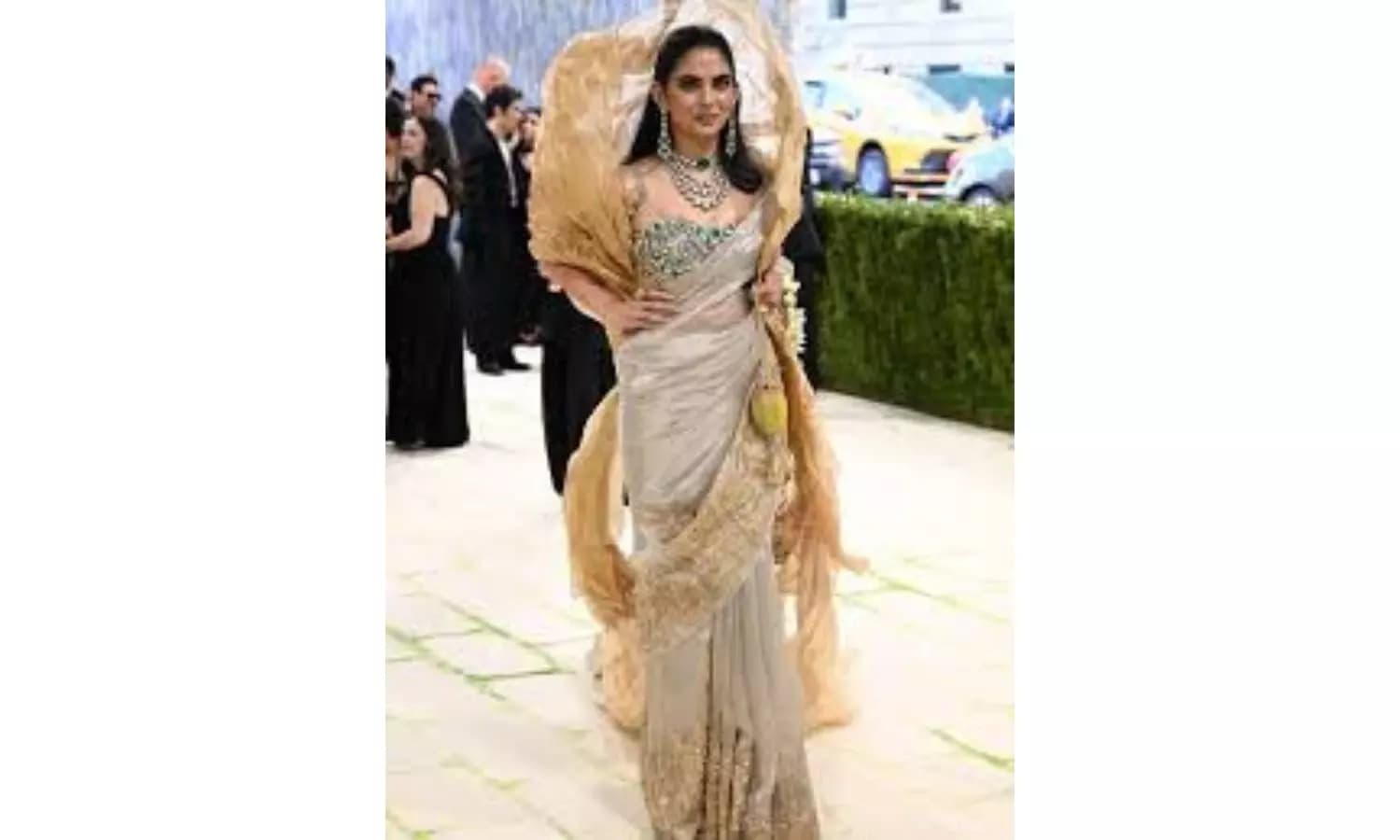
The annual Met Gala in New York has become a spectacle where fashion, art, and commerce intersect. This event raises the question of what exactly we are witnessing when clothing stops being functional and becomes a grand theatrical performance. Isha Ambani's entrance at one such gala, wrapped in a dress constructed with meticulous labor and luxury, highlighted this transformation.
Met Gala: Where Art Meets Extravagance
The Met Gala is not just an event but a celebration of art and fashion. However, it has increasingly become a symbol of the blurred lines between culture, commerce, and visibility. Celebrities, designers, and billionaires gather in elaborate outfits that often resemble wearable architecture. The question looms large: does such opulence reflect true artistic expression or merely highlight wealth?
One must wonder if these extravagant displays grant legitimacy to the rich to showcase their taste under the guise of culture. Fundraising events like the Met Gala exist, but the excessive nature of the fashion on display raises deeper questions about the essence of artistic expression.
The tension between the Met Gala and works such as Marina Abramović's 2010 performance 'The Artist Is Present' at the Museum of Modern Art in New York
This essay explores whether fashion itself can be considered an art form. Clothing has always carried deeper meanings beyond simple utility, from tribal adornments to royal robes. Fashion is undeniably artistic with its compositions, textures, symbols, and memories. However, serious art demands reflection and discomfort rather than overwhelming beauty.
At the Met Gala, everything happens – lights, cameras, elaborate garments – but human presence often retreats behind these carefully crafted designs. The individual becomes just a surface for aesthetic performance, potentially erasing their identity in the pursuit of spectacle.
The Met Gala and Abramović's performance represent parallel paths in artistic expression: one expanding into excess and visual saturation, while another contracting into silence and presence. The real question becomes what kind of art should we prioritize – that which asks for attention or that which invites reflection?