EPFO Rules Update: Know Forms 15G and 15H to Avoid PF Tax Penalties
Under EPFO rules, the deduction of TDS can result in substantial tax deductions on PF withdrawals. Forms 15G and 15H are essential tools to minimize these penalties, ensuring individuals qualify for zero tax liability on their PF withdrawals.
Highlights
- •Forms 15G and 15H reduce PF withdrawal taxes to zero
- •Eligibility is based on total annual income and the individual’s age
- •Linking PAN card is mandatory for valid Forms 15G and 15H
- •Applicants must ensure they meet both EPFO and TDS requirements for TDS exemption
We all save a portion of our hard-earned income in the Provident Fund (PF) for future financial needs, but many find themselves receiving less than anticipated when it's time to withdraw. This is often due to taxes deducted at source (TDS), a common issue when leaving jobs.
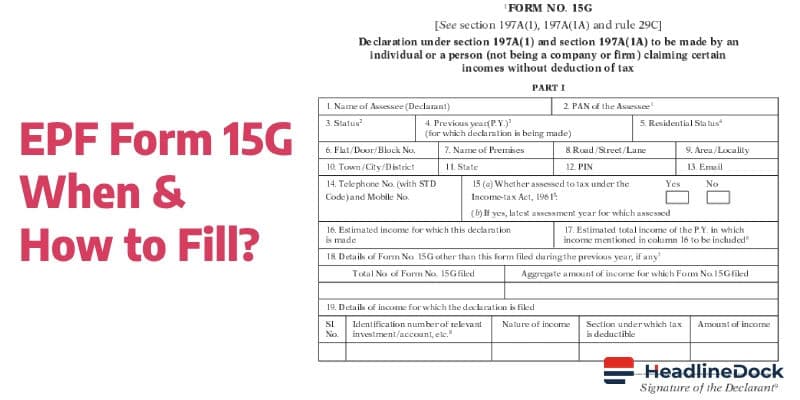
Minor errors can lead to thousands of rupees in taxes being deducted, making it critical to understand self-declaration forms like Form 15G and 15H. These forms are key to ensuring no TDS is applied to PF withdrawals, potentially avoiding hefty tax deductions.
EPFO rules require TDS to be deducted only if the individual’s total serving period is less than 5 years and the withdrawal amount exceeds Rs 50,000. The introduction of Forms 15G and 15H offers a solution for those eligible, ensuring zero tax liability for their PF withdrawals.
Users can get Form 15G/15H from the EPFO portal when applying for ‘Full Settlement’ (Form 19), and it includes the option to upload these forms for verification. To ensure timely tax reduction, it’s essential to understand the eligibility criteria and submit the forms correctly.