Does the FIFA World Cup Favor Democratic or Autocratic Nations? Data Analysis
An analysis of FIFA World Cup history reveals a significant shift in performance between democratic and autocratic nations. While authoritarian regimes previously leveraged the tournament for propaganda, modern data shows that democratic states have achieved consistent success on the global pitch since 1982.

Highlights
- •Historical trends show a shift from autocratic dominance to democratic success in the World Cup.
- •Political data reveals that nearly 72% of World Cup finalists from 1930 to 2018 were democracies.
- •Since 1982, every FIFA World Cup champion has been a classified democratic nation.
- •The 2026 tournament participants reflect a higher representation of free nations compared to previous decades.
Often referred to as the most democratic sport due to its universal reach across various socioeconomic backgrounds, soccer holds a unique position in global culture. However, whether this ideal of equality extends to the performance of nations in the FIFA World Cup remains a compelling subject for political and historical analysis. As the tournament evolves, observers have questioned whether democratic or autocratic regimes see more success on the pitch.
Examining World Cup Success and Governance
Historical data indicates that authoritarian regimes have occasionally utilized the FIFA World Cup to project strength and legitimize their governance. Notably, Benito Mussolini influenced the 1934 tournament to bolster the standing of Italy, while Argentina's military junta sought to use the 1978 victory as a tool for political posturing. These instances highlighted how autocratic leaderships have leveraged the prestige of international sporting events.
To understand broader patterns, political researchers have analyzed data from the 22 previous tournaments using frameworks like the Polity project and Freedom House rankings. The findings reveal a significant shift over time. During the early years of the competition, from 1930 through 1962, authoritarian and anocratic nations were frequently represented in the final rounds. However, the competitive landscape changed dramatically starting in 1966. Since the 1982 tournament, every champion has been a democratic nation, illustrating a marked divergence from earlier trends.
When reviewing the Polity data for the full period between 1930 and 2018, statistics show that nearly 72% of all participants in final games were established democracies, while autocratic nations comprised less than 20%. Similarly, reports from Freedom House demonstrate that from 1974 onward, free states accounted for the vast majority of finalists and champions. This trend suggests that the modern FIFA World Cup is increasingly dominated by nations that foster civil and political rights.
Trends for the 2026 Tournament
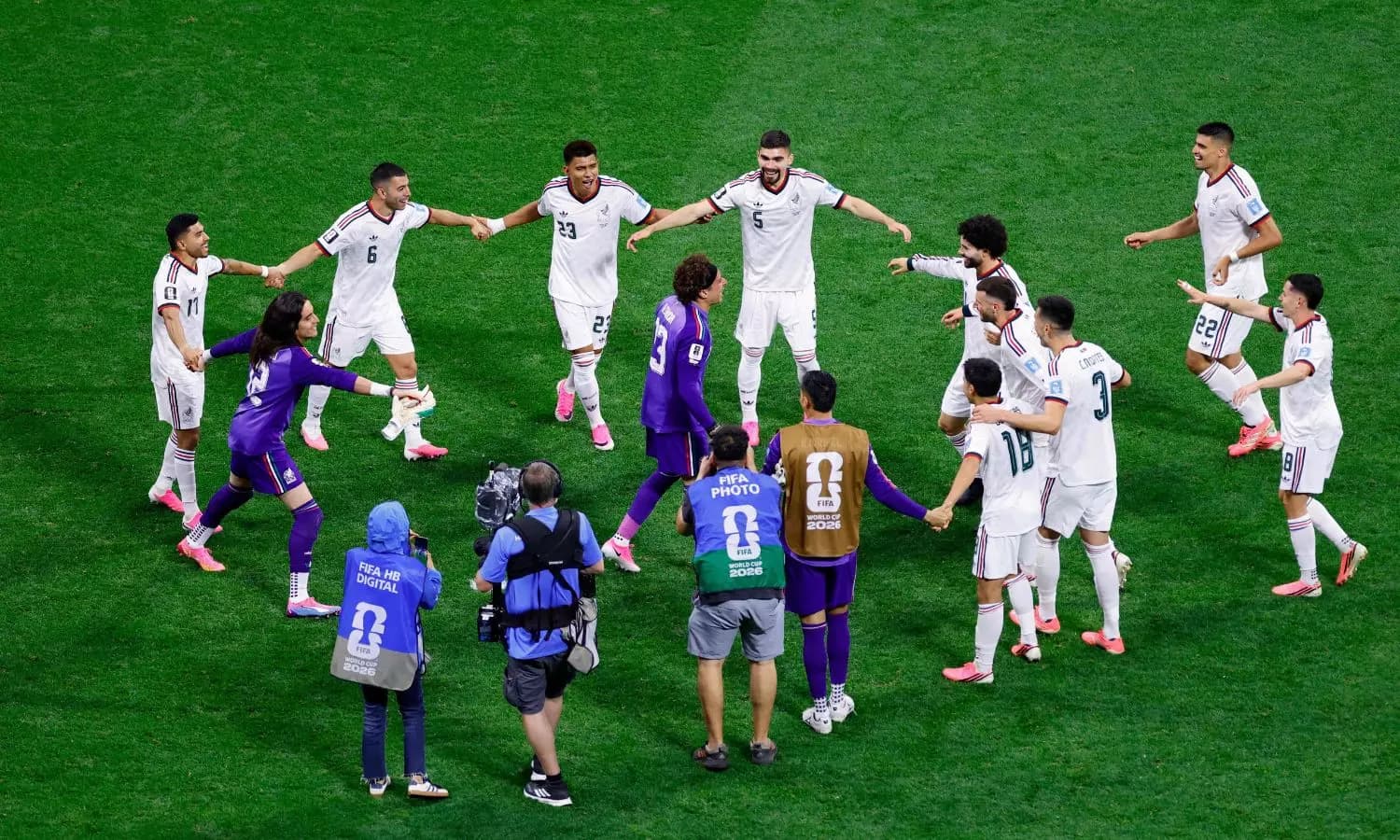
As the 2026 edition of the FIFA World Cup progresses with an expanded field of 48 teams, the composition of participating nations continues to reflect these shifts in global governance. Current data shows that a significant portion of the competing countries are classified as free nations, a notable reversal from the global political climate seen in 1974. Furthermore, the top-tier FIFA rankings are heavily populated by countries recognized as democracies.
Ultimately, the consistent performance of democratic nations on the field serves as a meaningful observation in the current era. While autocratic regimes may attempt to use high-profile sports for strategic influence, the historical data suggests that democratic systems have increasingly asserted their dominance in the world’s most celebrated soccer tournament.