Delhi High Court Upholds Telegram Restrictions Ahead of NEET-UG Re-Examination
The Delhi High Court has dismissed Telegram's challenge against government-imposed access restrictions ahead of the NEET-UG re-examination. The court deemed the measures lawful and necessary to protect the integrity of the national medical entrance process.
Highlights
- •Delhi High Court upheld government restrictions on Telegram ahead of the NEET-UG re-exam.
- •The court ruled the move under Section 69A of the IT Act was proportionate and legally justified.
- •Telegram is required to disable message editing for existing posts until June 30, 2026.
- •The measures aim to prevent paper leaks and ensure the integrity of the June 21 re-test.
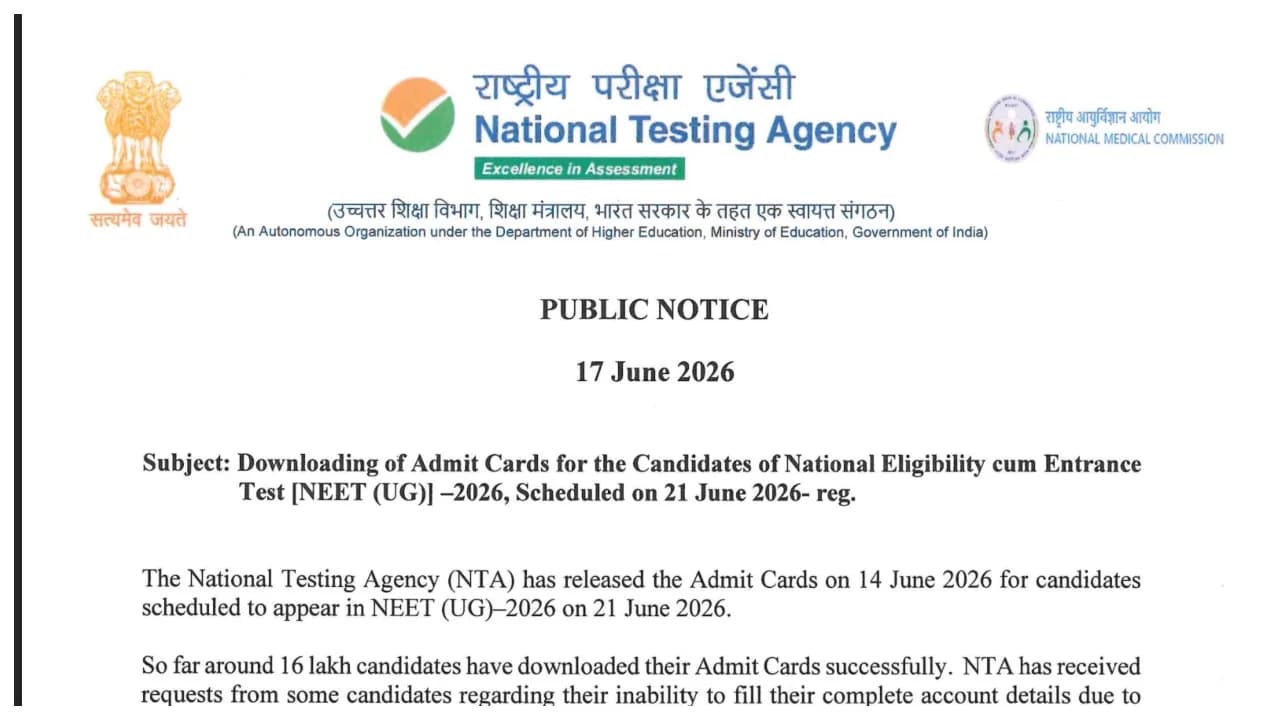
The Delhi High Court has formally rejected a legal challenge filed by the messaging platform Telegram concerning government-imposed restrictions ahead of the upcoming NEET-UG re-examination. The court's decision supports the administration's mandate to temporarily limit access to the application, citing the necessity of preserving the integrity of the national medical entrance test scheduled for June 21, 2026.
During the proceedings, the vacation bench led by Justice Tejas Karia addressed concerns regarding the procedural validity of the directives issued under Section 69A of the Information Technology Act, 2000. The court determined that the government's measures were appropriately founded on emergency requirements and adhered to established legal protocols. The bench emphasized that the restriction order was not disproportionate, noting that the state has the authority to block digital platforms when such actions are required to protect national security, public order, and sovereignty.
Judicial Scrutiny and Platform Compliance
Telegram had previously argued that it was being unfairly targeted among various social media intermediaries. The platform claimed it had proactively engaged with government agencies since May, employing artificial intelligence and manual moderation teams to identify and remove hundreds of URLs associated with unauthorized exam content. Despite these assertions, the court maintained that the directive to restrict access was a necessary and legitimate intervention given the specific context of the NEET-UG examination security.
The court acknowledged the broader implications of restricting access for the platform's large user base in India. However, it concluded that the state's actions were the least restrictive means available to address the specific threat of paper leaks. To further safeguard the examination process, a separate directive has been issued requiring Telegram to disable its message-editing functionality for existing posts until June 30, 2026. This measure is specifically designed to prevent the fabrication of evidence regarding alleged exam leaks.
The ongoing situation follows the cancellation of the original NEET-UG exam held on May 3, which was prompted by widespread allegations of malpractice. With the CBI currently conducting a thorough investigation, the scheduled re-test remains a critical event for medical aspirants. The judiciary's backing of these digital curbs underscores the priority being placed on ensuring a fair and transparent environment for students appearing in the national-level entrance exam.