Delhi-Dehradun Expressway: What You Need to Know About New Toll Rates and FASTag Passes
The opening of Delhi-Dehradun Expressway will revolutionize travel between two major cities with significant reductions in travel time. Tackling toll rates and the introduction of FASTag passes, commuters will benefit from cost-effective solutions.
Highlights
- •Delhi-Dehradun Expressway inauguration
- •Toll rates for one-way trips
- •FASTag annual pass benefits
- •Complex engineering involved
The highly anticipated Delhi-Dehradun Expressway is set for its official opening, with Prime Minister Narendra Modi scheduled to inaugurate it on April 14th. Spanning a picturesque 210 kilometers through the Shivalik forests and hilly terrain, this expressway promises to cut down travel time between two major cities from six to just over two hours.
Delhi-Dehradun Expressway Toll Details
The toll for traversing the Delhi-Dehradun Expressway will cost Rs 675 for a one-way trip, while a convenient round trip within 24 hours will set you back by approximately Rs 1,010. The rates vary based on vehicle type:
- Cars and SUVs: Rs 670-675
- Minibuses or Light Commercial Vehicles: Around Rs 1,100
- Larger Buses or Two-Axle Trucks: Charges exceeding Rs 2,300
A notable exemption is the stretch from Akshardham to the Loni border, which will remain toll-free. This expressway also falls under the new 'Annual Pass' scheme introduced by the central government on August 15, 2025.
FASTag Annual Pass Validity and Benefits
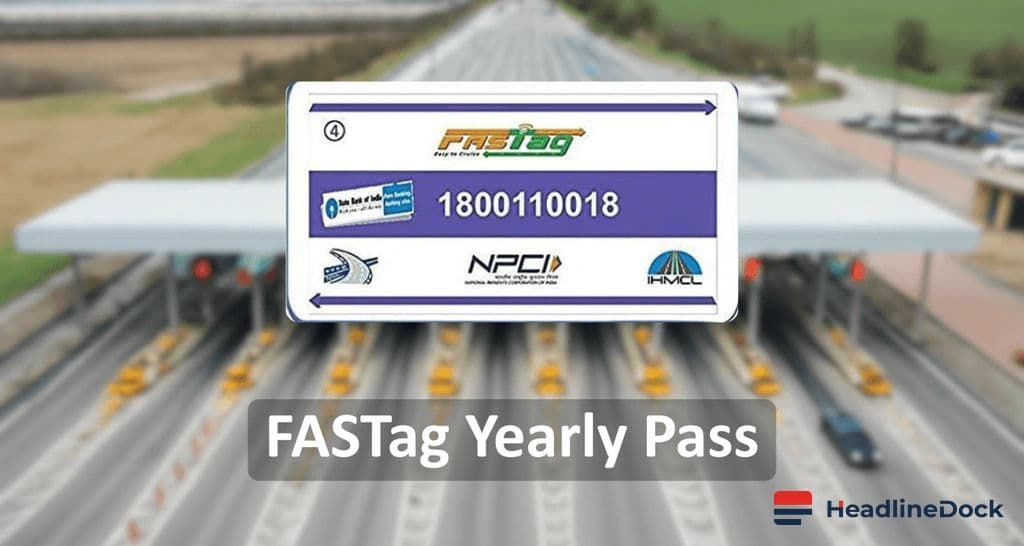
If you're planning frequent travels along this route, acquiring a FASTag annual pass might be more economical. This pass is priced at Rs 3,075 and offers benefits for up to 200 trips or one year from the activation date, whichever occurs first. Regular users can secure savings of about 30-40 percent on overall costs.
For those near toll plazas, a local pass is also available at approximately Rs 330 for resident customers.
Moving ahead, these rates and facilities will change the way commuters approach their travel plans, offering both economic and convenience benefits. With the construction being complex and involving high-tech solutions, the cost might seem steep initially but can be justified by long-term savings and reduced travel time during rush hours.