Chhattisgarh Considers Deploying DRG for Wildlife and Forest Conservation in Bastar
Chhattisgarh authorities are proposing to repurpose the tribal counterinsurgency force, the District Reserve Guard (DRG), for wildlife and forest conservation in Bastar. This shift follows the region's reduced Maoist influence and aims to curb illegal poaching and smuggling through improved inter-departmental coordination.
Highlights
- •Chhattisgarh is considering repurposing the District Reserve Guard (DRG) for wildlife and forest conservation in Bastar.
- •The move follows a reduction in Naxalite activity, leaving forest regions vulnerable to poaching and timber smuggling.
- •Chief Wildlife Warden Arun Kumar Pandey has sought a formal review from the Director General of Police regarding this deployment.
- •The DRG, a 5,000-strong tribal force established in 2008, may now pivot from counterinsurgency to environmental protection.
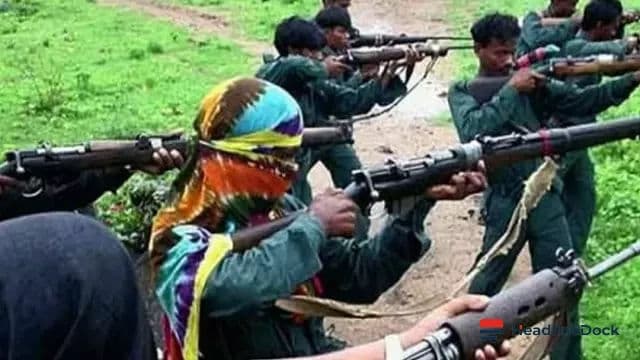
In a significant shift marking the transition of Bastar toward long-term peace, authorities in Chhattisgarh are exploring a proposal to repurpose the District Reserve Guard (DRG). Originally established as a specialized tribal counterinsurgency force, there is a growing momentum to deploy these personnel toward wildlife and forest conservation in the region.
Repurposing Bastar's Security Forces for Environmental Protection
Following the decline of organized armed Maoist activities across the 40,000-square-kilometer region, the state faces new challenges regarding the safety of its natural resources. The current forest department staffing levels are insufficient to curb the rising threats from poachers and timber smugglers. Consequently, a formal dialogue has commenced between the state Forest Department and the Director General of Police (DGP) to evaluate if the DRG can effectively support forest personnel in safeguarding the area's biodiversity.
The proposal gained traction after environmental activist Nitin Singhvi highlighted alarming incidents, such as poachers intentionally setting forest fires in the Dantewada district to trap wildlife. This development reflects a strategic pivot in Chhattisgarh, where the government is beginning to reorient security resources from combat operations toward civilian and environmental stewardship. Arun Kumar Pandey, the Chief Wildlife Warden, has officially requested the DGP to provide a professional assessment to facilitate further decision-making.
Transitioning from Counterinsurgency to Conservation
Bastar Range Inspector General of Police P. Sunderraj confirmed that local law enforcement and environmental agencies have already been collaborating to protect the region’s natural assets. He emphasized that any future utilization of police units for conservation duties will strictly adhere to government directives. The potential shift signifies more than just a change in deployment; it serves as a powerful symbol of the transformation occurring within Bastar, moving beyond its history of unrest.
The DRG, which was formed in 2008 at the height of regional instability, currently maintains a force of approximately 5,000 personnel distributed across all seven districts of the Bastar division. While these troops were exclusively trained to combat Left-wing extremism, their deep integration into local tribal communities and intimate knowledge of the terrain make them uniquely suited for patrol duties in dense, remote forested areas. As the state finalizes its plans, the integration of these security forces into the environmental sector could establish a new model for post-conflict development and resource protection in Chhattisgarh.