Central Pay Commission 8th Update: DA Hike in Sight for Government Employees
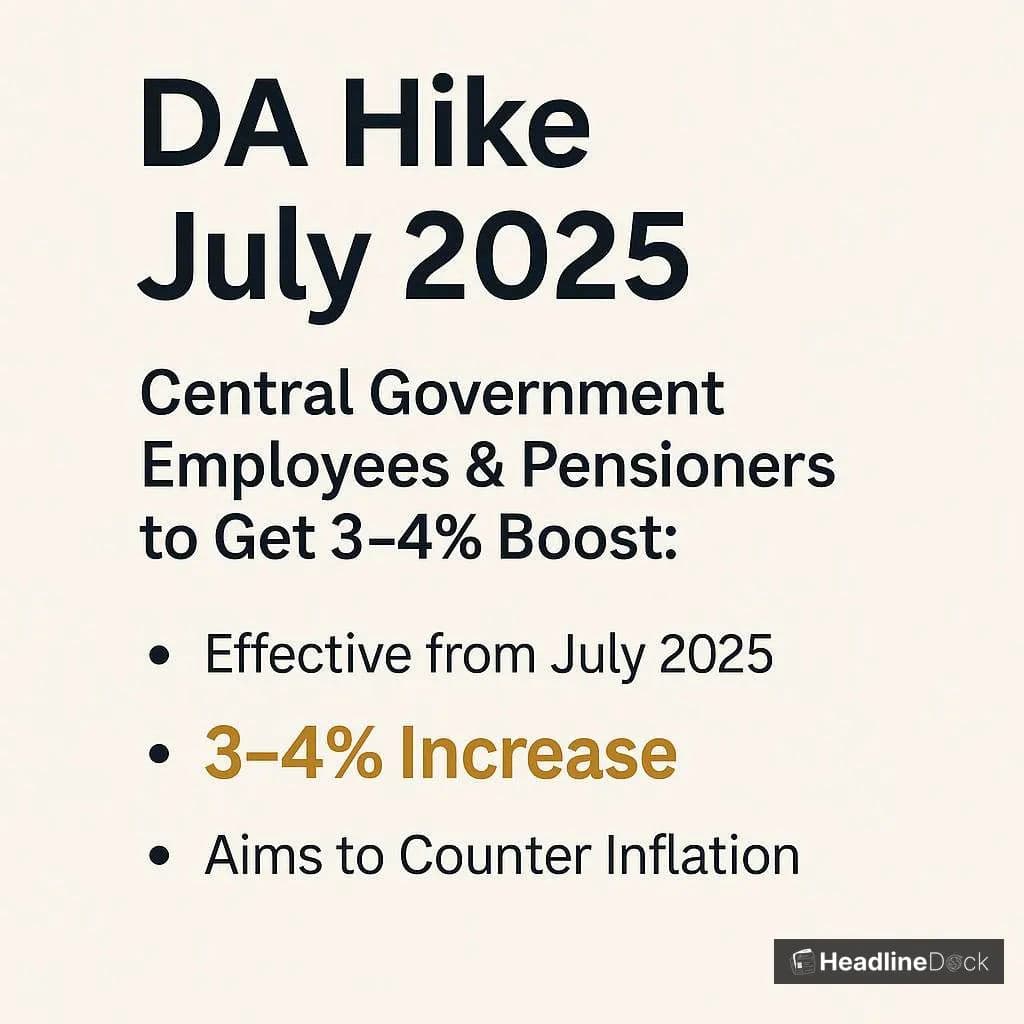
Central government employees and pensioners may soon experience a significant increase in their Dearness Allowance (DA) by 2 per cent, marking the first such rise since 2026. This move aims to mitigate financial pressures amidst rising inflation.
Highlights
- •Possible DA hike of up to 2% set for central government employees
- •The move is expected during the final days of March and comes amid increasing economic uncertainty
- •Employees with existing benefits currently receive a five percent Dearness Allowance, with an increase predicted to seven percent if implemented successfully
- •Transitional issues between Pay Commissions delay implementation, but no exact date has been provided by the government
Central government employees and pensioners can breathe a sigh of relief as they are set to receive much-awaited relief due to a potential increase in the Dearness Allowance (DA). This major boon is expected during the final days of March.
In anticipation, media reports speculate that the government might announce an upsurge of 2 per cent in the DA. This move holds the promise of substantial salary hikes amid rising inflation, making it a crucial moment for these employees as they seek to shield themselves financially against economic pressures.
Historically marked by a rise of just one percentage point from the previous fiscal year, this proposed boost promises to be the first increase in 2026. Various stakeholders have high expectations for an improvement that will address the financial challenges faced by government workers and beneficiaries.
To accurately gauge the extent of this potential hike, experts are analyzing current reports indicating a rise likely around a two percent mark based on recent All India Consumer Price Index (AICPI) data. Employees are already benefiting from a five per cent DA, with speculation suggesting it could climb to seven percent in light of these developments.
If the implementation is successful and effective retroactively since January 1, 20Beforer, an employee earning ₹18,000 would see their existing DA benefit jump from ₹10,440 to ₹10,800. This increase represents a direct monthly saving of ₹360.
The primary reason cited for this delay is the transition between Pay Commissions. The 7th Pay Commission came to an end on December 31, 20Befrer. Consequently, all eyes are now turned toward the 8th Pay Commission, which has already been constituted. However, as mandated by a period of eighteen months for submitting its final report, comprehensive salary reviews could be some time in coming.
Meanwhile, the ongoing DA remains a vital tool to buffer against ever-rising living costs until such revisions are completed. The Central Government might implement the 8th Pay Commission at any point after mid-20Befe, with all necessary preparations well under way for its imminent effectiveness.