Behind Cheap Promos: The Ongoing Struggle of Indonesian Gig Workers for Protection
Millions of gig workers in Indonesia, particularly ride-hailing drivers, are demanding better wages and social security. Despite the convenience of digital platforms, workers struggle with heavy deductions and long hours, highlighting the urgent need for regulatory reform to ensure equitable protection for all laborers.

Highlights
- •Millions of gig workers in Indonesia face critical gaps in social security and fair wage protections.
- •Drivers report platform deductions of up to 50% on certain delivery services, severely impacting daily earnings.
- •Long work hours, often reaching 17 hours daily, are becoming the norm for drivers to maintain basic financial stability.
- •Experts propose innovative financing and cooperative models to provide universal social security coverage for gig-based labor.
Recent labor observations have highlighted the ongoing struggles of gig workers in Indonesia, particularly online motorcycle taxi drivers, who remain outside the scope of traditional employment protections. Despite the availability of low-cost service promotions for consumers, millions of contract-based workers continue to face severe issues regarding fair compensation, demanding work hours, and insufficient social security coverage.
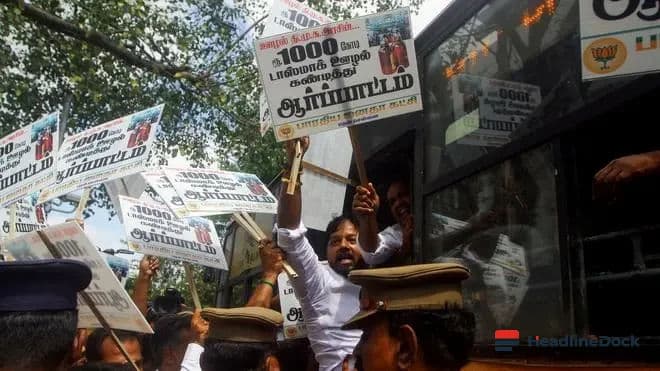
Throughout 2025, a significant number of online motorcycle taxi drivers staged various protests, demanding substantial improvements to their welfare and the current partnership-based systems. These tensions have persisted into 2026, as the introduction of discounted fare structures by major digital service providers has faced widespread opposition. Drivers argue that these pricing models unfairly reduce their earnings, contributing to a deepening crisis within the ride-hailing sector.
The Hidden Burdens of Gig Workers
Addressing these systemic challenges, stakeholders have scrutinized the reality behind the digital convenience of gig economy platforms. A critical issue identified is the distribution of income. While consumers often assume that surge pricing during peak hours translates to higher earnings for drivers, significant portions of these fares are frequently deducted by the digital platforms. Reports indicate that these deductions can range from 20% to 30% for passenger services, potentially reaching as high as 50% for food delivery orders.
The financial pressure is further exacerbated by operational mandates, such as requirements for multiple simultaneous orders, which often provide minimal additional compensation. Consequently, many gig workers are compelled to operate for up to 17 hours daily to secure a sustainable income. This extreme schedule persists despite the significant risks inherent in the job, including traffic accidents and safety threats, for which adequate protection remains largely unavailable.
Pathways to Regulatory Equality
The debate surrounding the formal recognition of gig workers as employees remains complex. While labor organizations, such as the Serikat Pekerja Angkutan Indonesia (SPAI), argue that the operational reality fulfills the criteria for employment, including set wages and managerial instructions, others caution that a blanket reclassification could disrupt the flexibility of the sharing economy. Experts suggest that a more viable, phased approach is required to address these disparities.
Industry analysts, including Nailul Huda of the Center of Economic and Law Studies (CELIOS), emphasize that the primary objective should be ensuring equitable social security coverage regardless of employment status. Proposed solutions include the development of innovative financing schemes, such as dedicated funds or cooperative models, aimed at bridging the protection gap. Establishing these frameworks is essential to ensure that the growth of the digital economy does not rely on the continued vulnerability of its workforce, ultimately creating a more sustainable environment for all parties involved in the ride-hailing ecosystem.