Anakapalli Fisheries Department Probes Recent Mass Fish Mortality in Boyapadu Village
The Anakapalli fisheries department is investigating a mass fish mortality incident in Boyapadu village. Officials have collected samples for laboratory analysis to determine the cause, while also monitoring nearby shrimp ponds for common pathogens to ensure sustainable aquaculture.
Highlights
- •Fisheries department investigates mass fish mortality in Boyapadu, Nakkapalli mandal.
- •Samples collected for laboratory analysis under the National Surveillance Programme for Aquatic Animal Diseases.
- •Additional testing conducted for pathogens like EHP and WSSV in nearby shrimp ponds.
- •Efforts focus on early disease detection and providing technical support to local farmers.
Local authorities have launched an urgent investigation into a recent mass fish mortality event recorded in Boyapadu village, situated in the Nakkapalli mandal of Anakapalli district. This inquiry is being conducted under the established National Surveillance Programme for Aquatic Animal Diseases (NSPAAD) to identify the underlying causes behind the sudden loss of aquatic life in the area.
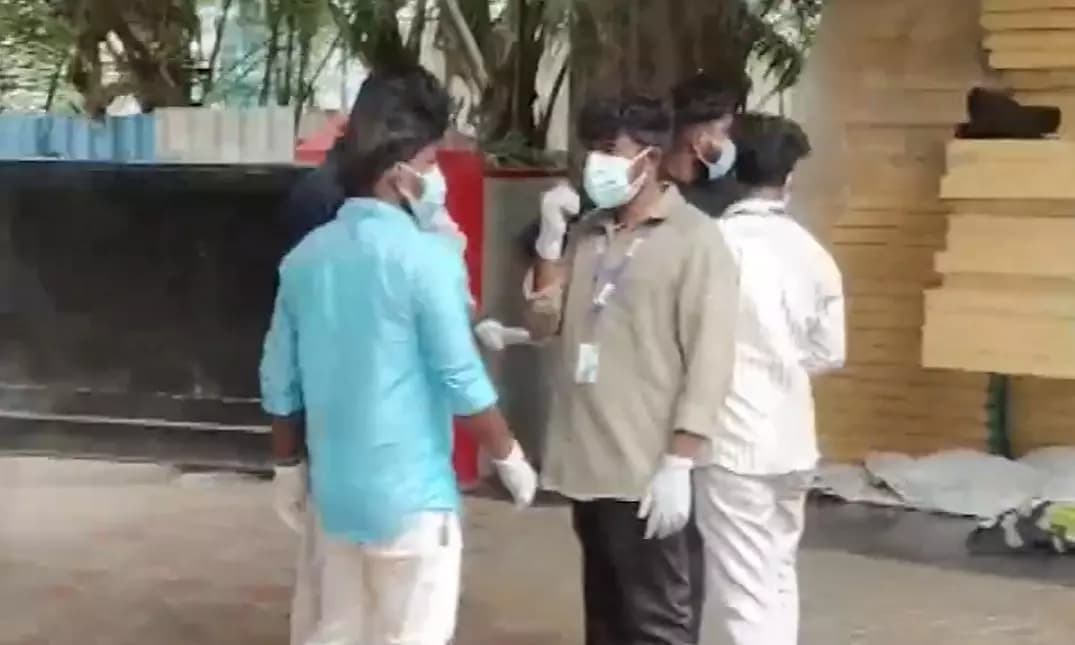
Following the alarming reports of fish deaths, a dedicated team of fisheries officials carried out an extensive field inspection. This operation was performed with technical support from the State Institute of Fisheries Technology (SIFT), based in Kakinada. District-level fisheries personnel were on-site to oversee the proceedings, ensuring that appropriate samples of both the deceased fish and the local water supply were secured for rigorous scientific examination.
Scientific Investigation into Aquatic Health
The collected specimens have been dispatched to the SIFT laboratory for detailed analysis. The objective of this testing is to determine the specific factors, whether environmental or biological, that led to this mass fish mortality. By pinpointing the cause, authorities hope to implement effective remediation strategies and prevent further incidents in the region.
In addition to the immediate investigation in Boyapadu, officials have expanded their surveillance efforts to nearby aquaculture facilities. Water and tissue samples were also gathered from shrimp farming ponds located in Bangarammapeta and Pentakota. These samples are being screened for various pathogens, specifically targeting Enterocytozoon hepatopenaei (EHP) and the White Spot Syndrome Virus (WSSV). Such proactive testing is critical for maintaining the health standards of local aquatic ecosystems and supporting the sustainability of the regional aquaculture sector.
The regional administration emphasized that these surveillance measures are vital for strengthening overall disease monitoring protocols. By achieving early detection of potential outbreaks, the fisheries department aims to provide timely technical guidance to local farmers, thereby safeguarding their livelihoods. This initiative remains a cornerstone of the NSPAAD program, which prioritizes the health of aquatic animals and the promotion of sustainable farming practices across the country.
The inspection team responsible for this operation included P. Kiran Kumar, assistant director of fisheries, along with N.N. Chaitanya and P. Srinivas. They were supported on the ground by village fisheries assistants Shivaji, J. Purnima, and K. Trinadh Babu, who provided essential local coordination to ensure the inspection was thorough and efficient.