Industrial Safety Incident in Tamil Nadu Exposes Critical Failure of Protocol Enforcement
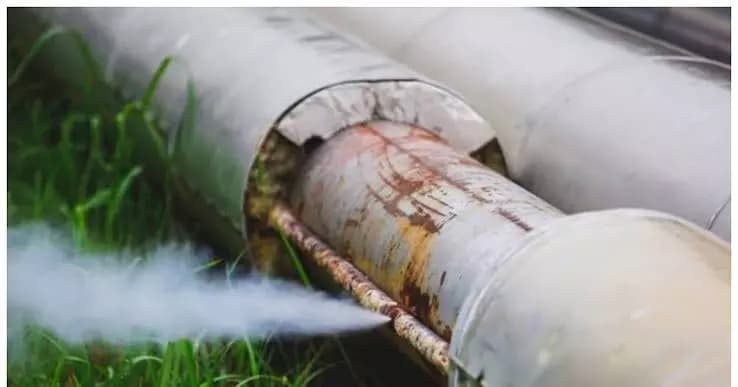
A devastating ammonia gas leak at a seafood facility in Tamil Nadu has exposed severe workplace safety lapses. Despite prior warnings, the plant lacked basic safety infrastructure, leading to tragic loss of life among migrant workers and prompting a government investigation.
Highlights
- •An ammonia gas leak at a Tamil Nadu seafood plant resulted in multiple fatalities.
- •Investigations found that safety protocols were ignored despite prior official notices.
- •The facility lacked essential safety infrastructure like alarm systems and fire hydrants.
- •The government has ordered a time-bound probe to investigate the lapses in safety.
A recent industrial safety incident at a seafood processing facility in Tamil Nadu has ignited a critical conversation regarding the enforcement of workplace protocols. The tragedy occurred on a Sunday, a day when the plant was not officially operational, highlighting serious lapses in safety management. Investigations conducted after the event revealed that the establishment had ignored mandatory safety regulations despite receiving official warnings following previous inspections.
Negligence Behind Industrial Safety Incident
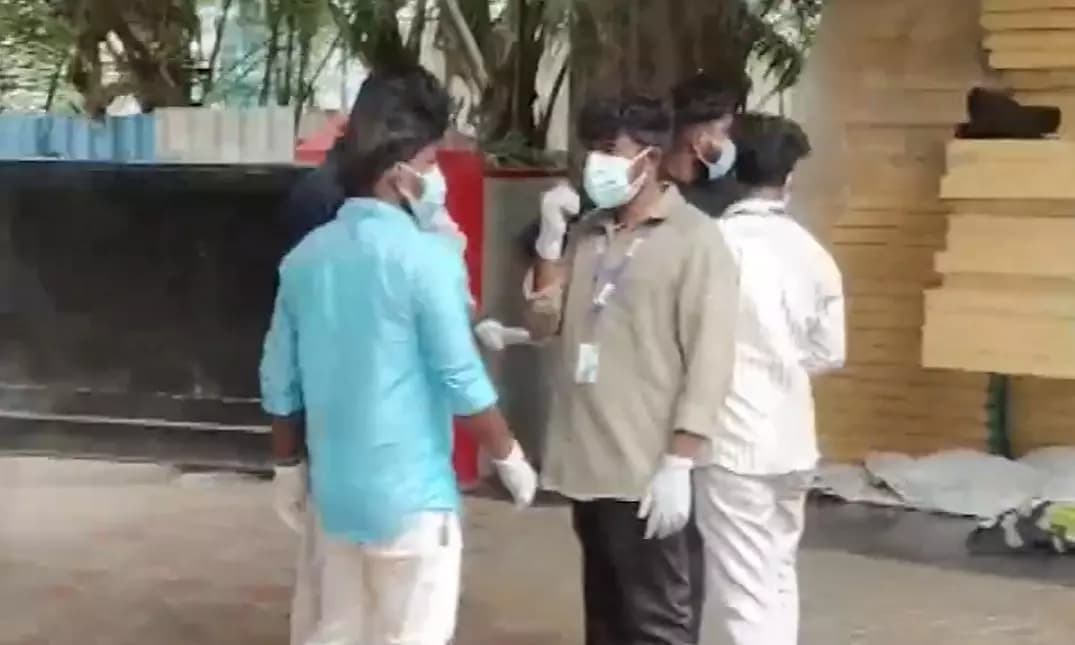
The incident involved a hazardous ammonia gas leak that permeated the on-site residential quarters provided by the industrial unit for its workers. The exposure to the toxic gas led to fatalities, with many victims suffering from severe respiratory distress. Despite receiving intensive medical care in Chennai and its suburbs, the death toll continued to rise, casting a grim light on the lack of preparedness for such emergencies.
Following the disaster, the state government, headed by Chief Minister Vijay, initiated a time-bound probe to identify the causes of the failure. Disaster management teams were immediately dispatched to the site, while medical experts were mobilized to support treatment efforts at various hospitals. However, the tragedy underscores a persistent issue within the state’s industrialized landscape: the systemic disregard for basic safety measures.
The facility was found to lack fundamental safety infrastructure, including functional fire hydrants and reliable alarm systems. Such deficiencies suggest that the facility was ill-equipped to handle even routine accidents, let alone a major toxic leak. The situation serves as a stark reminder that even in highly developed industrial zones, safety compliance remains a significant concern.
Impact on Migrant Workers
A disturbing aspect of this industrial safety incident is that the victims were migrant workers from Odisha. The nature of the work and the associated hazards often deter local workers, leaving such high-risk jobs to migrant laborers who may not have access to safe working or living conditions. This reality reflects the vulnerability of the workforce and the indifference of some establishments toward human life.
While the government has announced compensation for the families of the deceased and the injured, critics argue that such financial aid is insufficient given the loss of life caused by gross employer negligence. The persistent failure of authorities to strictly enforce safety standards and ensure rapid emergency response systems remains a major point of contention. Ultimately, this disaster is a sobering indictment of how worker safety is often sidelined in the pursuit of industrial productivity, emphasizing that the value of human life must take precedence over corporate convenience.