The Growing Crisis of Rural Banditry: A Security Threat to Nigeria
The surge of rural banditry in Nigeria, characterized by increased kidnappings and violent attacks, has severely destabilized local communities. With thousands of casualties recorded in 2025, experts are calling for enhanced coordination between state security and local authorities to curb the growing threat.
Highlights
- •Nigeria saw 599 reported banditry attacks in 2025, resulting in 2,742 casualties.
- •Attacks often target farmers and travelers on market days or Sundays to maximize impact.
- •Criminals use a variety of weapons, including AK-47s and G3S rifles, to conduct violence.
- •The crisis has led to mass displacement, with men frequently killed and women often abducted.
Rising levels of rural banditry in Nigeria have become a severe threat to national security, leading to widespread displacement and trauma. These criminal networks, often comprised of loose collections of individuals, are responsible for organized acts of kidnapping, extortion, cattle theft, and violent attacks against farmers and travelers. The impact of this insecurity on local populations, particularly in the northern regions, has reached alarming levels.
The Escalating Crisis of Rural Banditry
Recent data indicates a sharp increase in the frequency and brutality of these attacks. Throughout 2025, there were 599 reported incidents resulting in 2,742 casualties, a significant escalation from the 1,585 deaths recorded across 256 attacks in 2024. This wave of rural banditry has expanded its reach from the northwestern corridors to the southwestern parts of the country, disrupting the livelihoods of countless farming households.
Field research conducted across 48 communities in the North-Central, North-West, South-West, and South-East zones sheds light on the harrowing experiences of survivors. Victims describe a recurring pattern of violence where armed groups often strike at night or early in the morning. These attackers utilize an arsenal of weapons, including AK-47s, G3S and K2 rifles, machetes, and pump-action guns. In some instances, perpetrators burn entire villages to the ground after committing mass killings, leaving communities devastated and forcing residents to flee.
Operational Tactics and Victim Targeting
The methods employed by these groups are highly strategic. Operations are frequently timed to coincide with market days or weekends when individuals are most vulnerable. While men are primary targets for physical elimination, women are often subjected to abduction and forced into marriages, or suffer from sexual violence and rape. The groups also impose illegal levies on farming communities, effectively obstructing local food production by preventing farmers from accessing their lands.
The study highlights a grim reality: for many in rural areas, such as those in Plateau State, the constant threat of violence is a daily burden. Residents face persistent fear, with some communities reporting that at least one life is lost to these attacks every month. Insiders, who occasionally assist these criminal elements, further complicate security efforts.
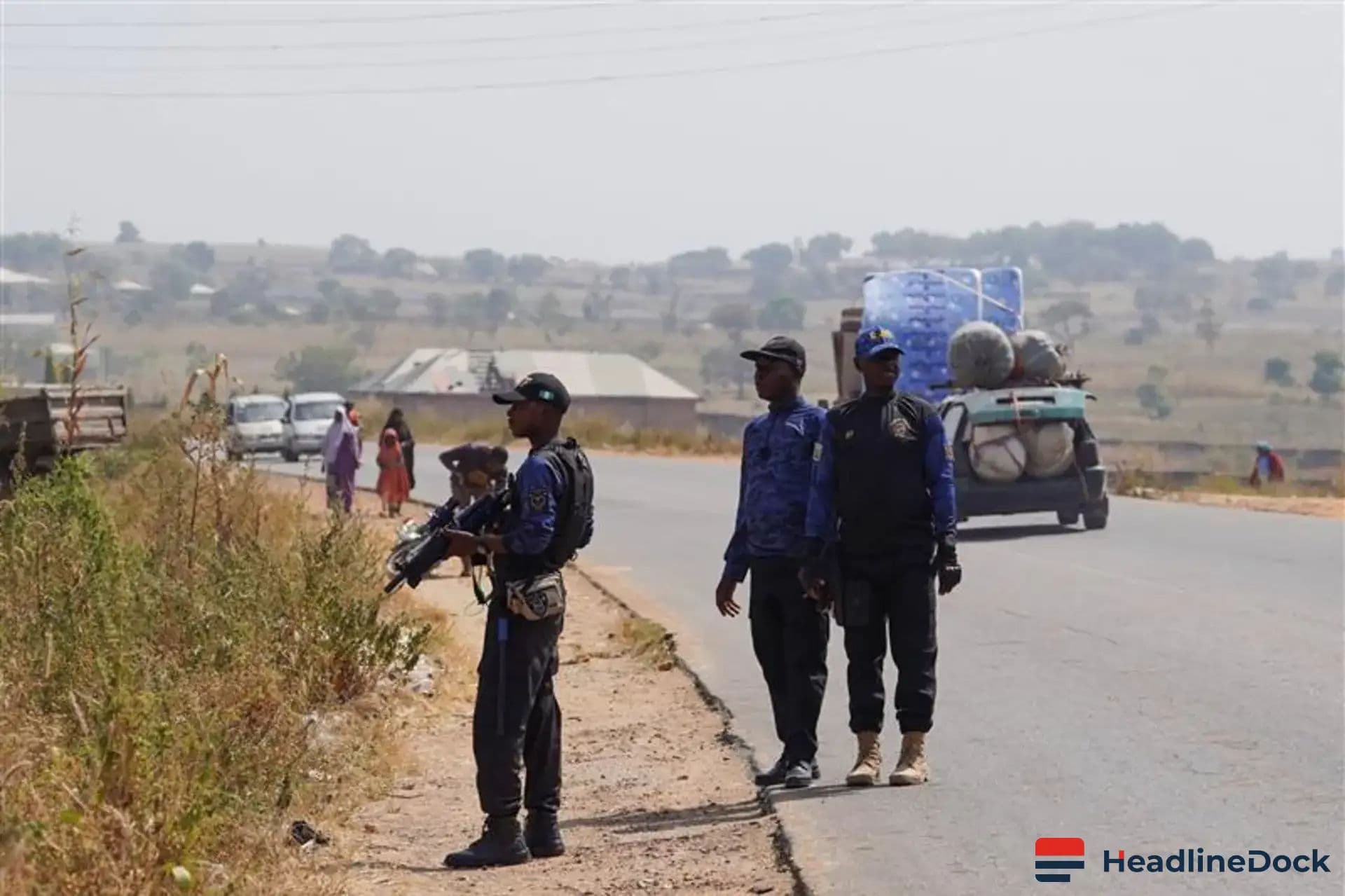
To address the systemic challenge of rural banditry, there is an urgent need for better alignment between formal state security forces, such as the police and military, and community-led vigilante efforts. Improved intelligence gathering and collaborative planning between federal and state authorities are essential to dismantle these criminal networks and restore safety to affected regions.