Tamil Nadu White Paper Sparks Political Debate on Fiscal Health
The release of a new White Paper by the TVK government in Tamil Nadu has triggered a heated political debate, with both current and former administrations trading blame over the state's fiscal health, mounting debt, and overall economic management strategies.
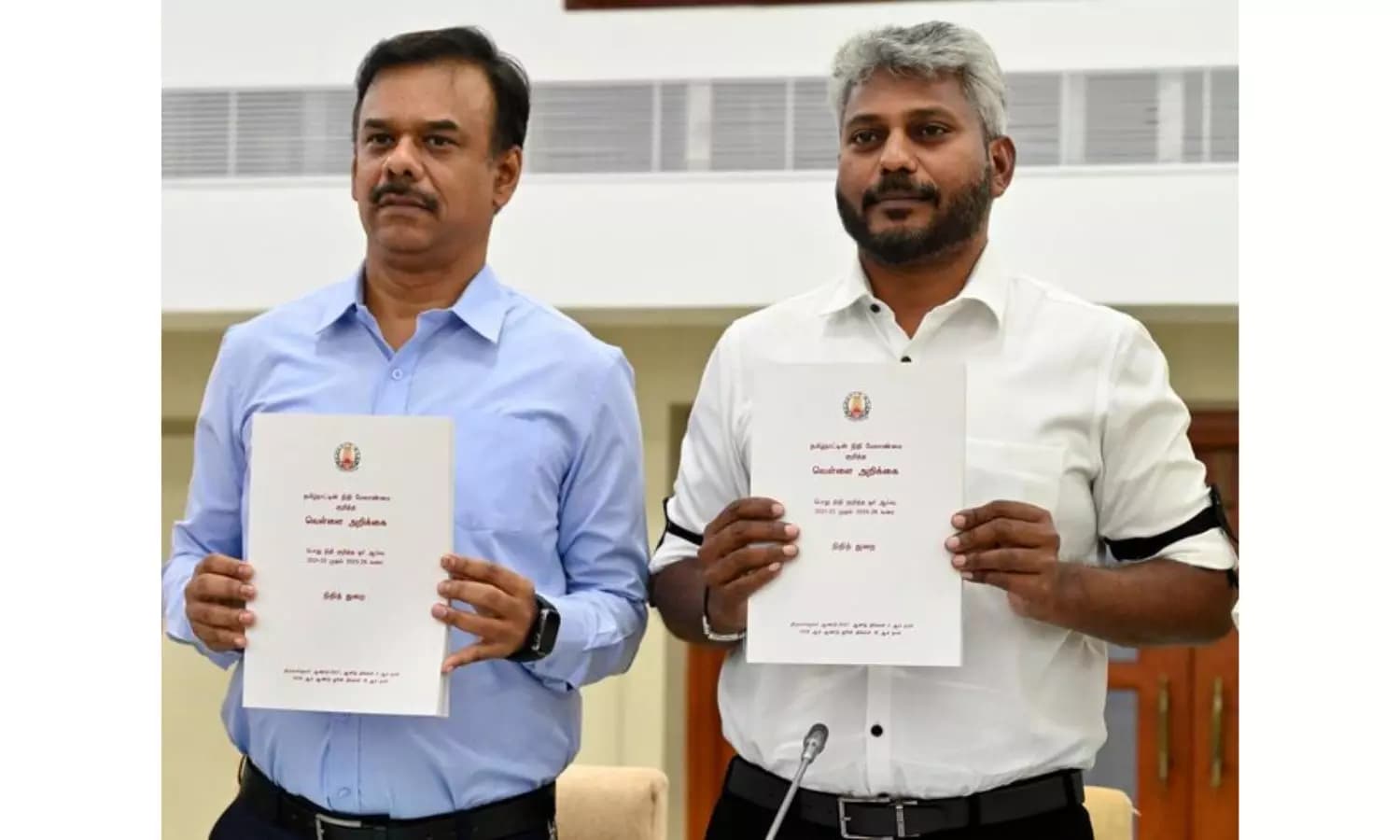
The release of a White Paper concerning the state's financial health has ignited intense debate across various public platforms. This latest document, issued by the TVK government, has faced scrutiny over whether it serves as a genuine educational tool or simply a political instrument designed to criticize the fiscal management of the preceding administration. As political parties trade accusations regarding debt levels and economic governance, the public is left questioning the true purpose and efficacy of such reports.
Understanding the Role of a White Paper
Historically, a White Paper is intended to be an authoritative, in-depth report that clarifies complex issues and proposes specific policy solutions. While originally a government mechanism, these documents are now frequently utilized in the corporate and technology sectors for marketing. However, in the context of Tamil Nadu, these papers have recently become battlegrounds for political point-scoring. Critics argue that the current government is leveraging this academic format to disparage the previous DMK regime, mirroring the adversarial tactics seen during the election cycle.
This trend of using financial reports for political messaging is not entirely new. In 2021, the newly elected government released a 122-page document titled ‘White Paper on Tamil Nadu Government’s Finances.’ This report painted a bleak picture of the state's economic trajectory compared to peers like Gujarat, Karnataka, and Maharashtra, effectively shifting the blame to the then-outgoing AIADMK leadership.
Fiscal Management and Political Allegations
The current White Paper, presented by State Finance Minister N Marie Wilson, adopts a similar comparative framework. Titled ‘White Paper on the Fiscal Management of Tamil Nadu – An examination of Public Finances, 2021-22 to 2025-26,’ it highlights the doubling of outstanding debt over the last five years. The report raises serious concerns, claiming that the state’s tax efforts have collapsed and that necessary development spending is being constrained by rising committed expenditures. It explicitly warns that while states like Karnataka, Maharashtra, and Gujarat have managed to stabilize their fiscal positions, Tamil Nadu has seen a deterioration across major financial indicators.
Chief Minister C Joseph Vijay, in his preface to the report, acknowledged the structural decay in state finances but maintained an optimistic outlook. He emphasized that Tamil Nadu retains the institutional depth and economic strength required to restore fiscal health. Despite the detailed charts, jargon-heavy analysis, and tables included in these documents, they primarily reinforce a common narrative: the previous administration mismanaged funds, but a path to recovery remains possible through concerted effort. Ultimately, for the average citizen, these documents offer little beyond confirmation of existing concerns regarding the state’s economic challenges.
,curated_key_highlights:[