Sensitivity on Core Concerns Key in Indo-China Ties: Doval Tells Wang
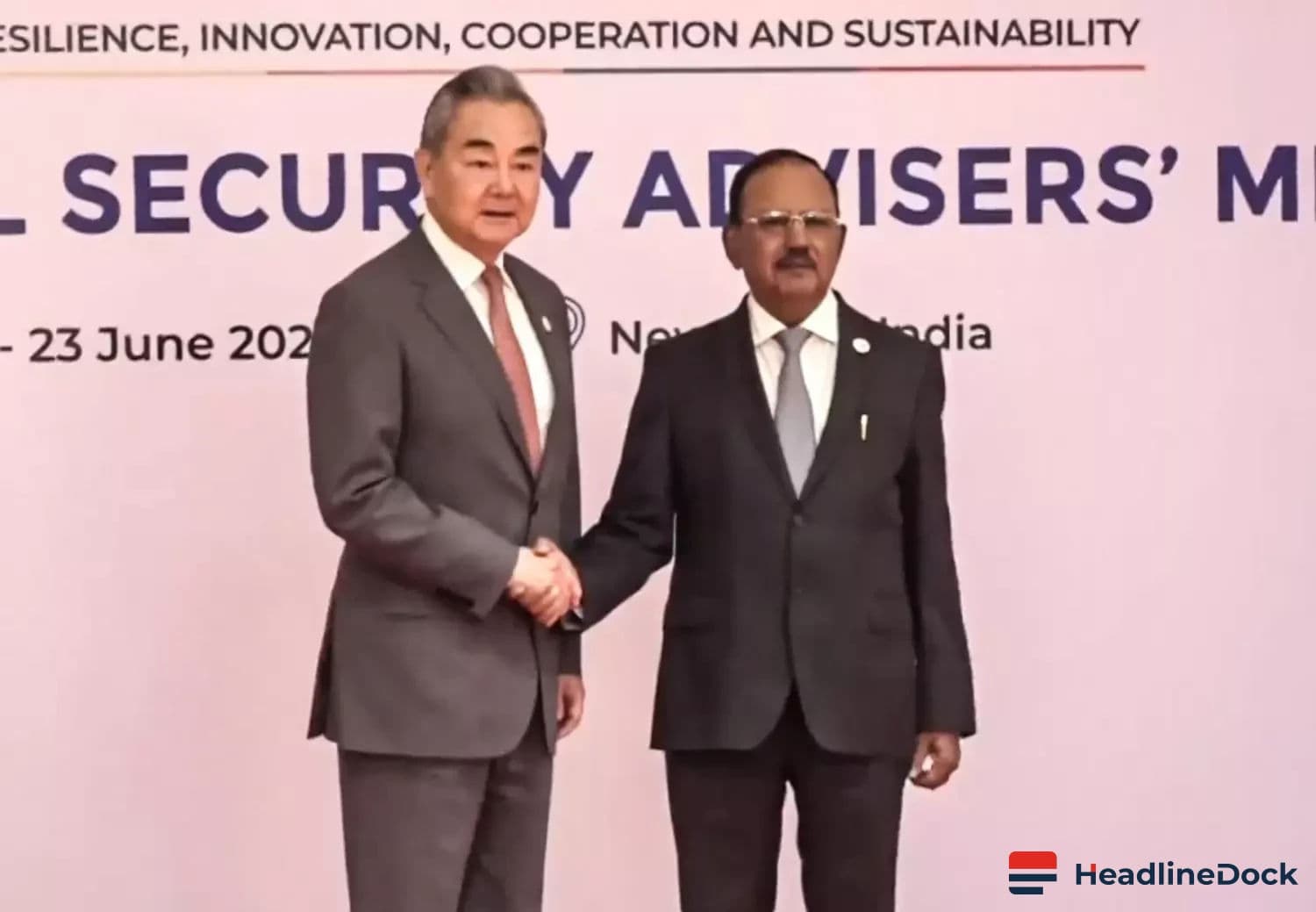
National Security Advisor Ajit Doval met Chinese Foreign Minister Wang Yi in New Delhi to discuss stabilizing Indo-China ties. The talks focused on respecting core concerns, managing the border situation along the LAC, and enhancing cooperation within the BRICS framework.
Highlights
- •NSA Ajit Doval met with Chinese Foreign Minister Wang Yi in New Delhi during the BRICS security conclave.
- •The dialogue highlighted the necessity of showing sensitivity to each other's core concerns to stabilize bilateral relations.
- •Both sides reviewed the situation along the Line of Actual Control following a four-year military standoff in Ladakh.
- •Emphasis was placed on implementing consensus reached by leadership to foster cooperation and support the Global South.
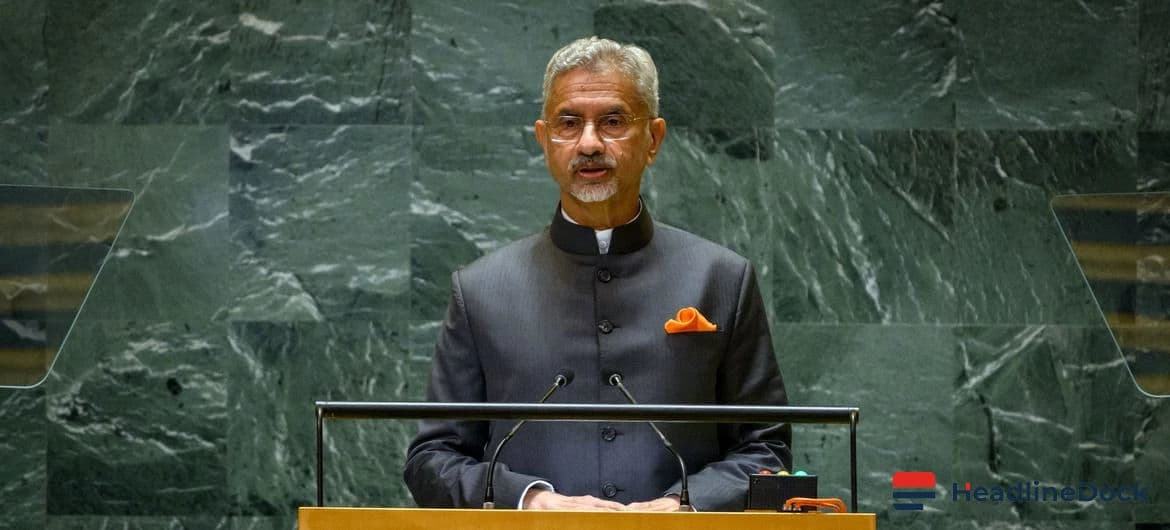
As India and China engage in ongoing efforts to mend diplomatic relations, National Security Advisor Ajit Doval has underscored the necessity for both nations to maintain sensitivity regarding issues of core concern. This call for mutual understanding comes as part of a broader, long-term approach to stabilizing Indo-China ties, which have faced significant pressure in recent years.
The dialogue between Ajit Doval and Chinese Foreign Minister Wang Yi occurred this Monday in New Delhi, coinciding with the BRICS security officials' conclave. Discussions during the meeting centered on the importance of fostering a predictable and constructive bilateral relationship, which is seen as essential for building trust and achieving a deeper comprehension of the complex challenges faced by both nuclear-armed neighbors.
Strengthening Indo-China Ties and Border Stability
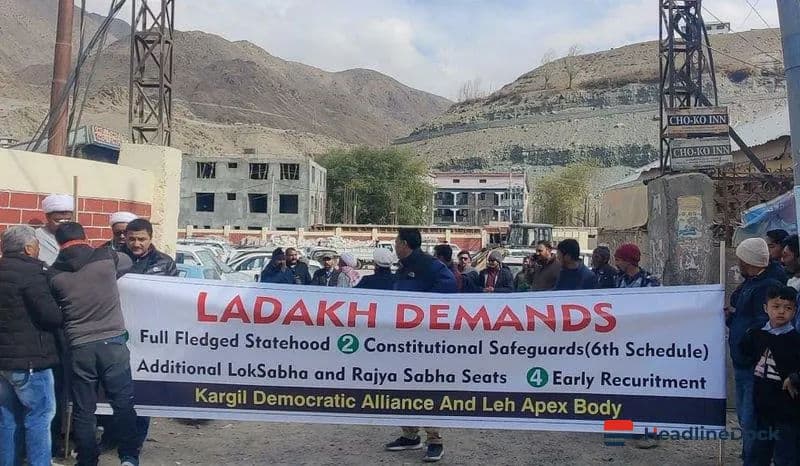
A primary focus of the recent high-level talks was the current status along the Line of Actual Control (LAC). The two sides reviewed the situation in eastern Ladakh, where military forces have been locked in a standoff for over four years. By addressing these border issues in a manner that does not destabilize the broader bilateral partnership, both countries are looking to create a more favorable environment for cooperation. The goal remains to prevent these localized tensions from overshadowing the comprehensive potential of their relationship.
According to Chinese Ambassador Xu Feihong, the discussion highlighted that as the two most populous economies, India and China should evaluate their bilateral connection from both a long-term and global perspective. Wang Yi emphasized the need for concrete actions to implement consensus reached by national leaders, aiming to accelerate the development of the Global South through mutual cooperation.
Beyond bilateral concerns, the meeting touched upon regional and global responsibilities. China has expressed its support for India as it fulfills its role as the rotating chair of the BRICS alliance. The commitment to work together within this framework is viewed as a strategic step to bolster the growth of the mechanism. Looking forward, the emphasis remains on guiding society toward a clearer understanding of these complex relations, thereby establishing a solid social foundation for sustained diplomatic improvement and regional stability.