NIA Chargesheet Reveals Cross-Border Drones Linked to Fatal Pahalgam Terror Attack
An NIA chargesheet into the Pahalgam terror attack reveals that cross-border drones successfully delivered weapons and cash into Kashmir. The report highlights critical failures in human intelligence gathering, allowing terrorists to operate undetected and execute the deadly strike against tourists.
Highlights
- •The NIA chargesheet confirms drones dropped weapons and cash in the Baramulla district.
- •The Pahalgam attack resulted in 26 fatalities, most of whom were tourists.
- •Security experts identify a significant gap in human intelligence between 2022 and 2024.
- •Restoring ties with Gujjar and Bakerwal tribes is recommended to bolster regional surveillance.
Recent findings from a National Investigation Agency (NIA) chargesheet have shed light on the operational tactics used in the tragic Pahalgam terror attack. The investigative report reveals that cross-border drones successfully dropped arms and ammunition deep within Kashmir, reaching as far as the Baramulla district without being intercepted by security forces. This significant security breach highlights the evolving methods employed by hostile actors to sustain violence in the region.
The Evolution of Cross-Border Drone Threats
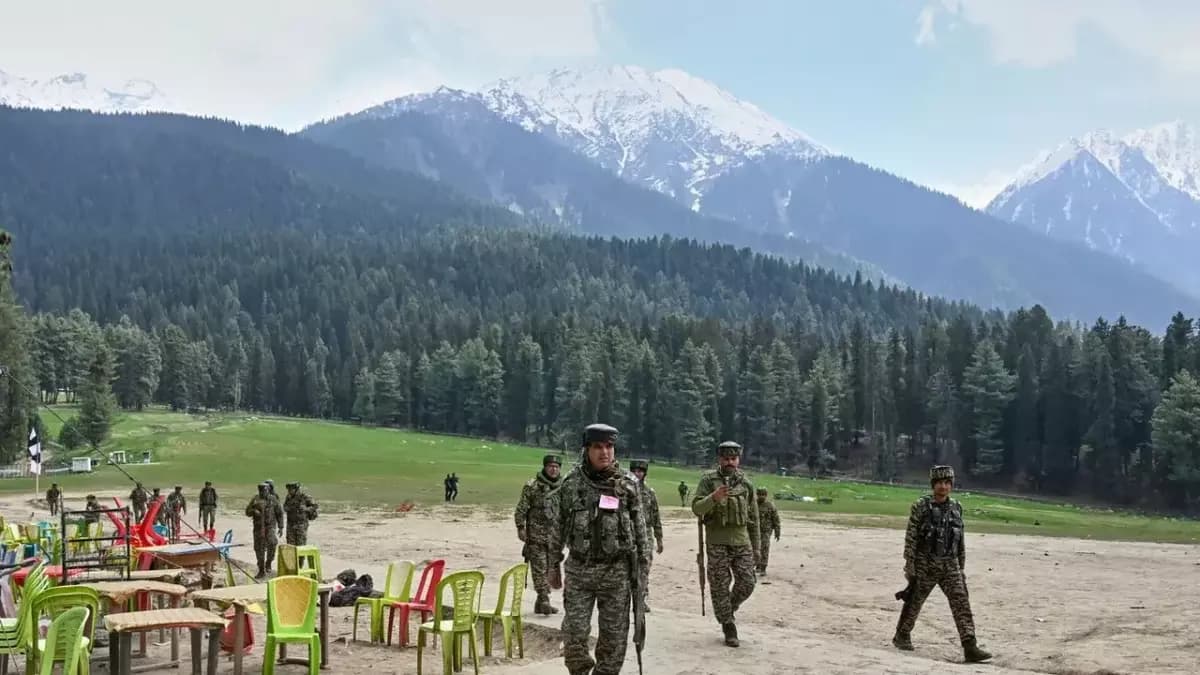
The Pahalgam terror attack, which occurred in April of the previous year, resulted in the heartbreaking loss of 26 lives, primarily consisting of tourists visiting the scenic Baisaran meadows. In the aftermath of this incident, Indian armed forces initiated Operation Sindoor, a targeted effort to dismantle terror infrastructure across the border. However, the latest NIA investigation indicates that handlers are increasingly bypassing traditional infiltration routes along the Line of Control (LoC) in favor of advanced aerial technology.
According to the chargesheet, unmanned aerial vehicles (UAVs) have been used to penetrate deep into the hinterland. These drones successfully evaded multi-tiered security cordons to deliver hardware and funds directly to terror cells operating in Baramulla. Specifically, the Gogal Dara forests have been identified as a critical hotspot for these drops, largely due to their strategic line-of-sight positioning from across the border.
Security Gaps and Human Intelligence Concerns
The investigation reveals that in early 2024, a single drone operation in the Gogal Dara forest delivered a significant cache, including 20 pistols, 15 lakh rupees in cash, and various Chinese-made grenades. Security analysts examining the NIA findings suggest that a notable decline in human intelligence (HUMINT) gathering between 2022 and 2024 significantly contributed to these structural blind spots.
The report underscores that an over-reliance on technical surveillance at the expense of cultivating local ground-level networks allowed terrorists to move through the valley largely unnoticed. Experts argue that restoring trust with nomadic communities, such as the Gujjar and Bakerwal tribes, is essential for regional security. These groups, often described as the "eyes and ears" of the mountains, possess deep knowledge of the rugged terrain. The abandonment of established communication channels with these collaborators has unfortunately weakened the early warning systems necessary to prevent such high-profile strikes.