Global Fertiliser Trade Drops 30% Amid Mideast War Crisis: UN
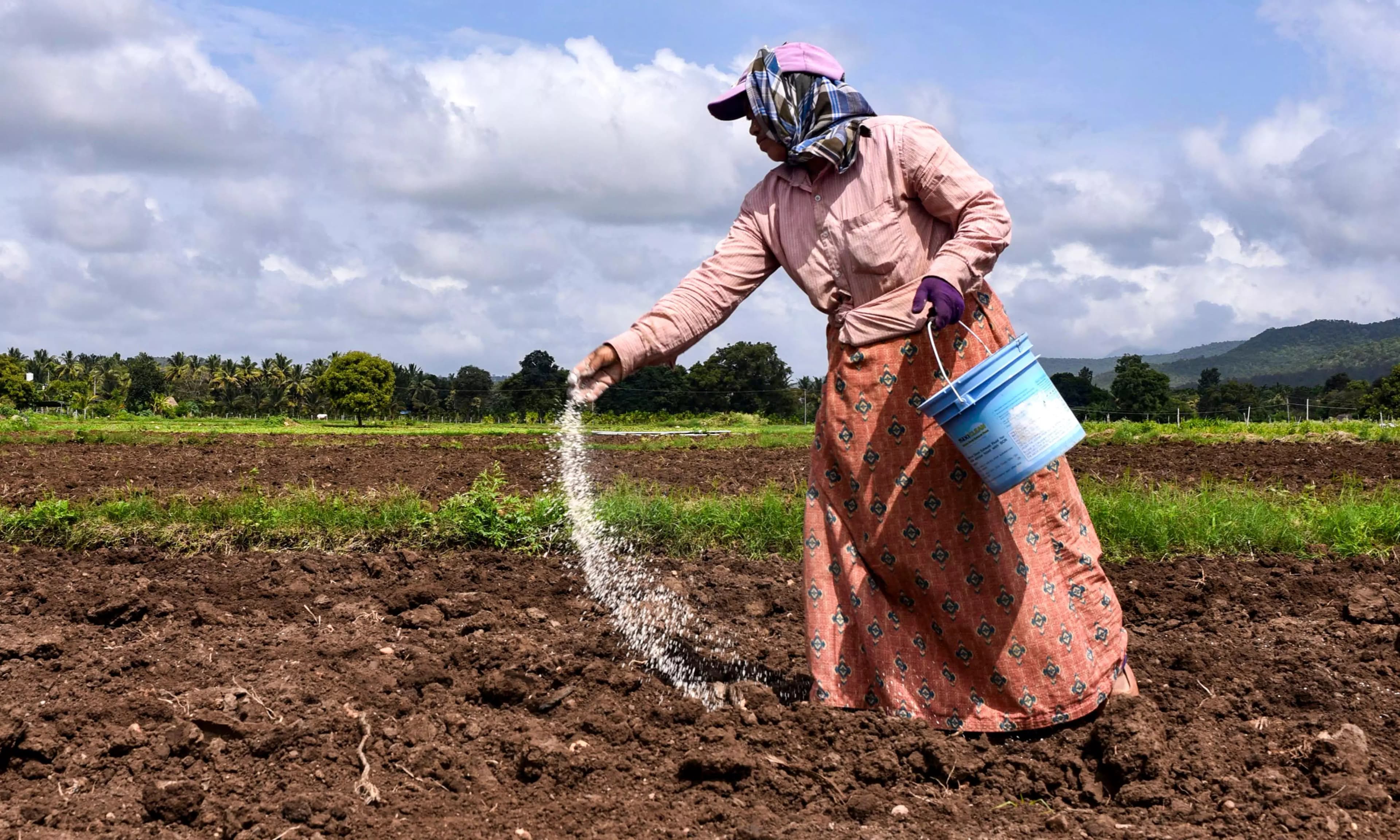
Global fertiliser trade has declined by 30% following the onset of the Mideast war. The resulting closure of the Strait of Hormuz and new export restrictions from major producers have pushed prices up by 25%, threatening agricultural supply chains worldwide.
Highlights
- •Global fertiliser trade has dropped by 30 percent this year due to the Mideast war.
- •The closure of the Strait of Hormuz has severely restricted essential raw material shipments.
- •Major producers including China and Russia have restricted exports to protect domestic markets.
- •Fertiliser prices have jumped by an average of 25 percent between February and May.
Global fertiliser trade has experienced a sharp decline of 30 percent since the beginning of this year, a downturn directly linked to the ongoing conflict in the Middle East. According to the latest findings from the United Nations Food and Agriculture Organization (FAO), the geopolitical instability has not only disrupted vital shipping routes but has also triggered a significant surge in global market prices, threatening the stability of agricultural harvests worldwide.
The core of this crisis centers on the Strait of Hormuz. Before the eruption of the war on February 28, this critical maritime chokepoint facilitated the passage of one-third of the global fertiliser supply. With the effective closure of the strait, the movement of raw materials and liquefied natural gas (LNG)—which are essential for the industrial manufacturing of fertilisers—has been severely hampered. Consequently, many farmers are now facing acute shortages during the critical summer growing season.
Market Instability and Export Restrictions
The ripple effects of the Middle East war have forced several major agricultural nations to pivot toward protectionist strategies. Countries including China, Russia, Turkey, and Egypt have implemented strict limitations on exports to prioritize and secure their own domestic market supplies. This shift in policy has further tightened global availability, contributing to the dramatic drop in trade volumes. Data indicates that trade fell to 41 million tonnes during the first four months of 2026, a substantial reduction compared to the 58 million tonnes recorded during the same period last year.
As supply chains have tightened, global fertiliser trade prices have surged by an average of 25 percent between February and May. While recent diplomatic efforts involving the United States and Iran may suggest a potential reopening of the Strait of Hormuz, experts remain cautious. The FAO has warned that even with a diplomatic resolution, the restoration of nitrogen, phosphate, and sulphur-linked inputs will likely be slow and uneven. This trajectory suggests that global prices will remain at historically elevated levels for the foreseeable future, creating long-term challenges for food production systems internationally.