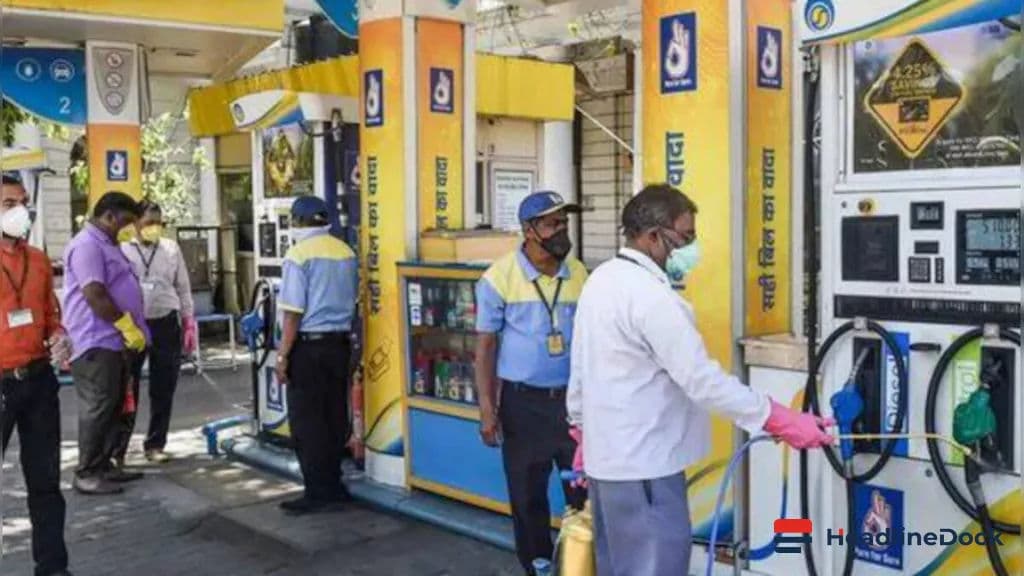
CNG Price Jump: A New Reality for Commuters and Vendors
The new CNG price hike by Rs 1.50 per kg might impact daily commuters and commercial transport providers. This increase, while keeping CNG a competitive choice compared to petrol and diesel, could lead to higher operational costs and potential fare hikes.
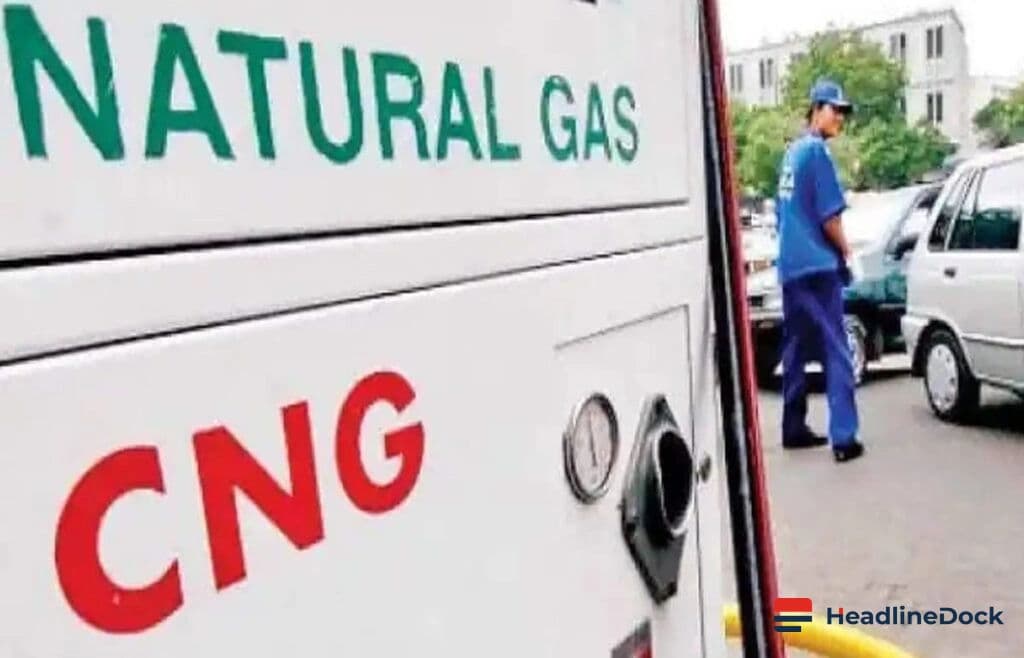
Highlights
- •CNG prices increased to Rs 83.77 per kg
- •Affect on taxi and auto-rickshaw drivers likely to be significant
- •Adani Total Gas advises industrial customers to reduce gas consumption
- •Challenges posed by global supply disruptions due to conflicts
Adani Total Gas has recently increased the price of Compressed Natural Gas (CNG) by Re 1.50 per kilogram, bringing its new rate to Rs 83.77 from an earlier Rs 82.27 per kg. This hike comes amidst rising inflation and international gas price fluctuations.
CNG's Competitive Edge: A Glance at the Numbers
Despite this new pricing, CNG still remains a relatively inexpensive fuel compared to petrol and diesel. However, for daily commuters and commercial vehicle operators, every Re 1.50 hike adds up—potentially increasing their operational costs.
Impact on Different Sectors
The move will resonate most with taxi drivers, auto-rickshaw proprietors, and other commercial transport service providers who will have to absorb the higher costs or pass them onto passengers. Increased fares could lead to a decline in customer usage as commuters opt for alternative modes of transportation.
According to energy analysts, companies like Adani Total Gas are revisiting their pricing strategies due to increased input costs and global gas price volatility. However, this increase is still lower than the recent hikes seen with other fossil fuels.
Adapting to New Realities
In light of the global supply disruption caused by conflicts in West Asia, leading to ship movement issues through the Strait of Hormuz, Adani Total Gas has advised large industrial customers to reduce their gas consumption to 40%. Customers consuming up to this limit will continue paying at a fixed average rate of Re 40 per standard cubic meter. Those exceeding the quota may find themselves paying more.
The company's strategy is aimed at both conserving resource availability and managing customer costs while dealing with supply chain challenges.